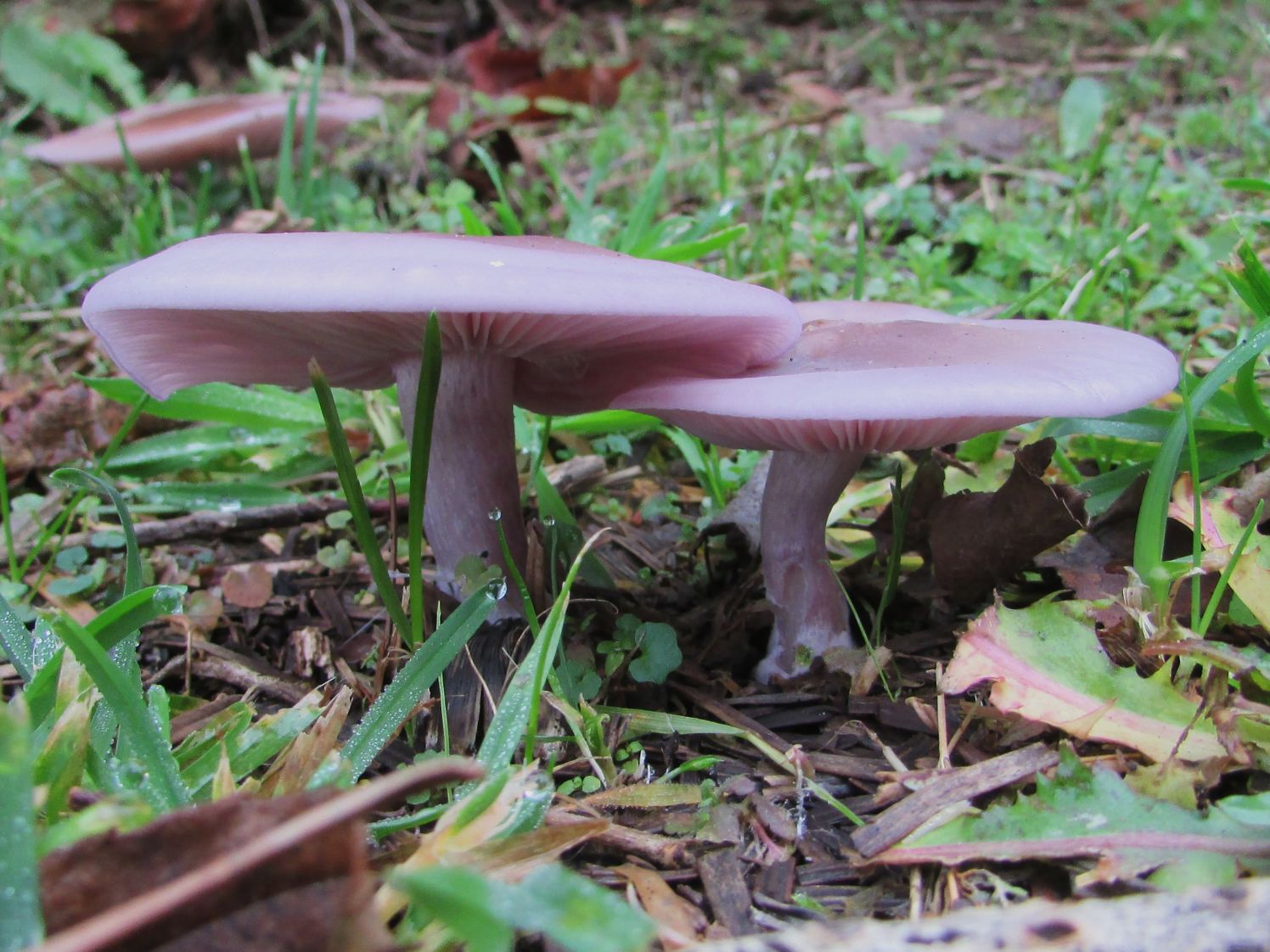
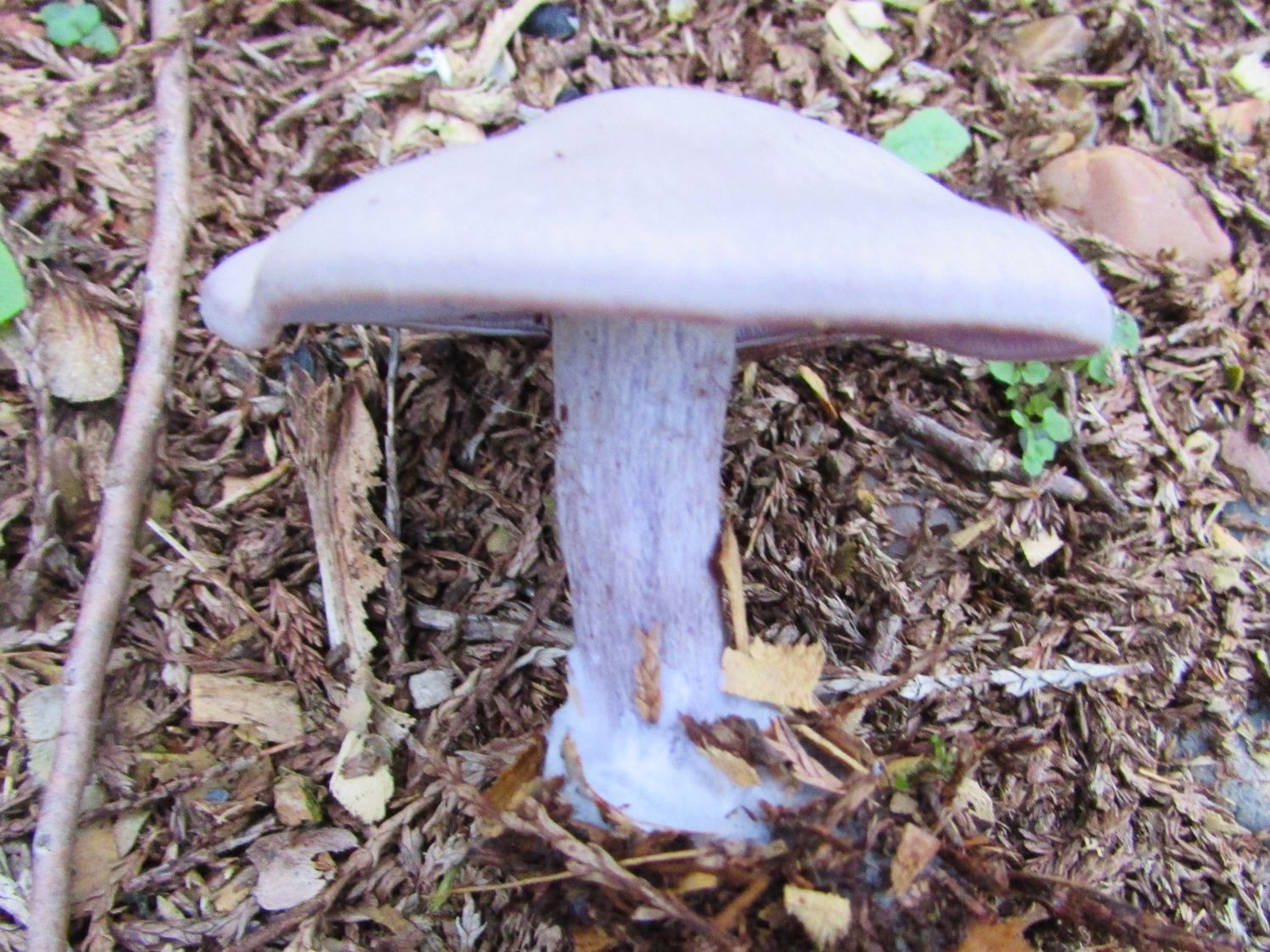
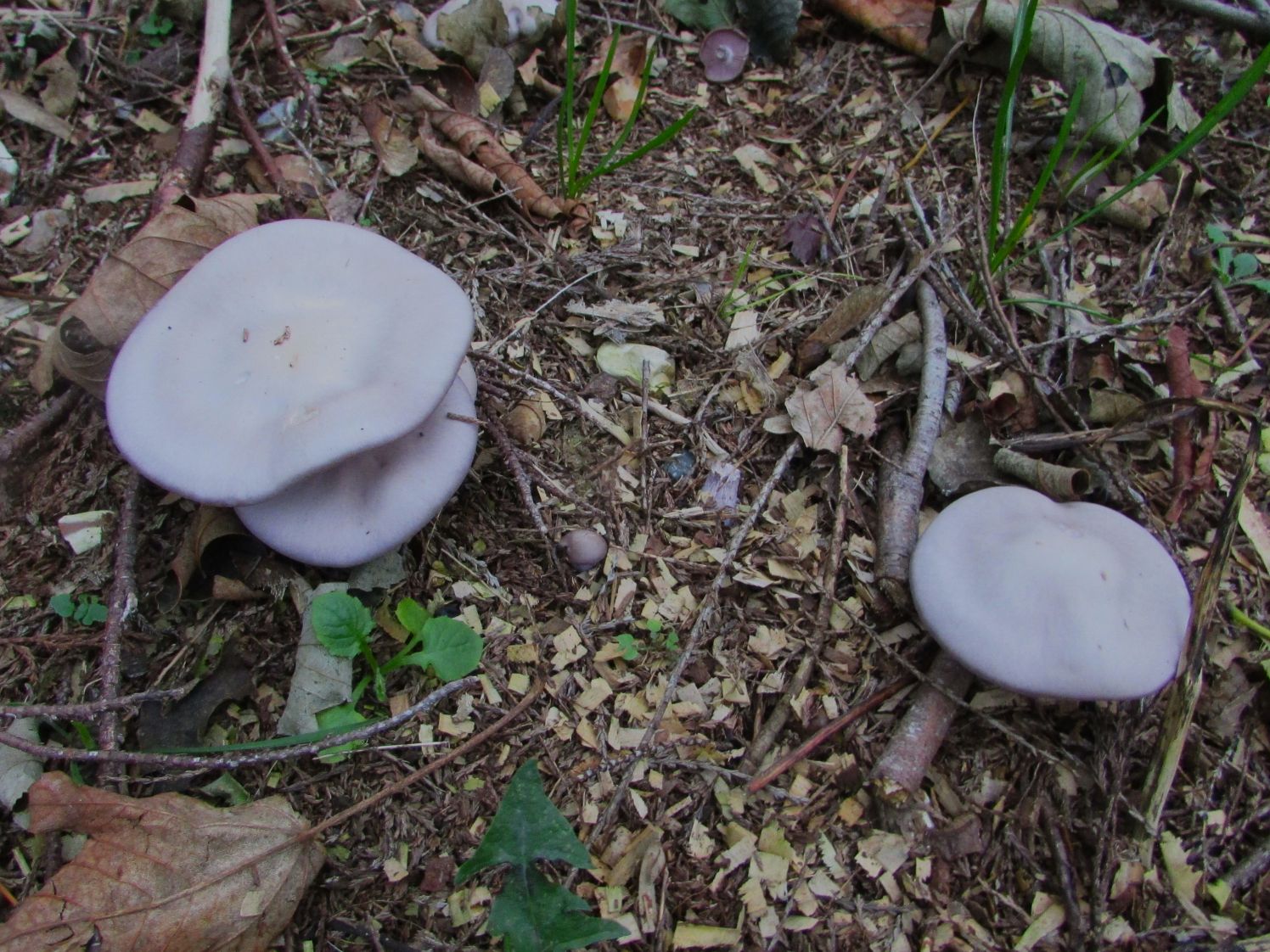
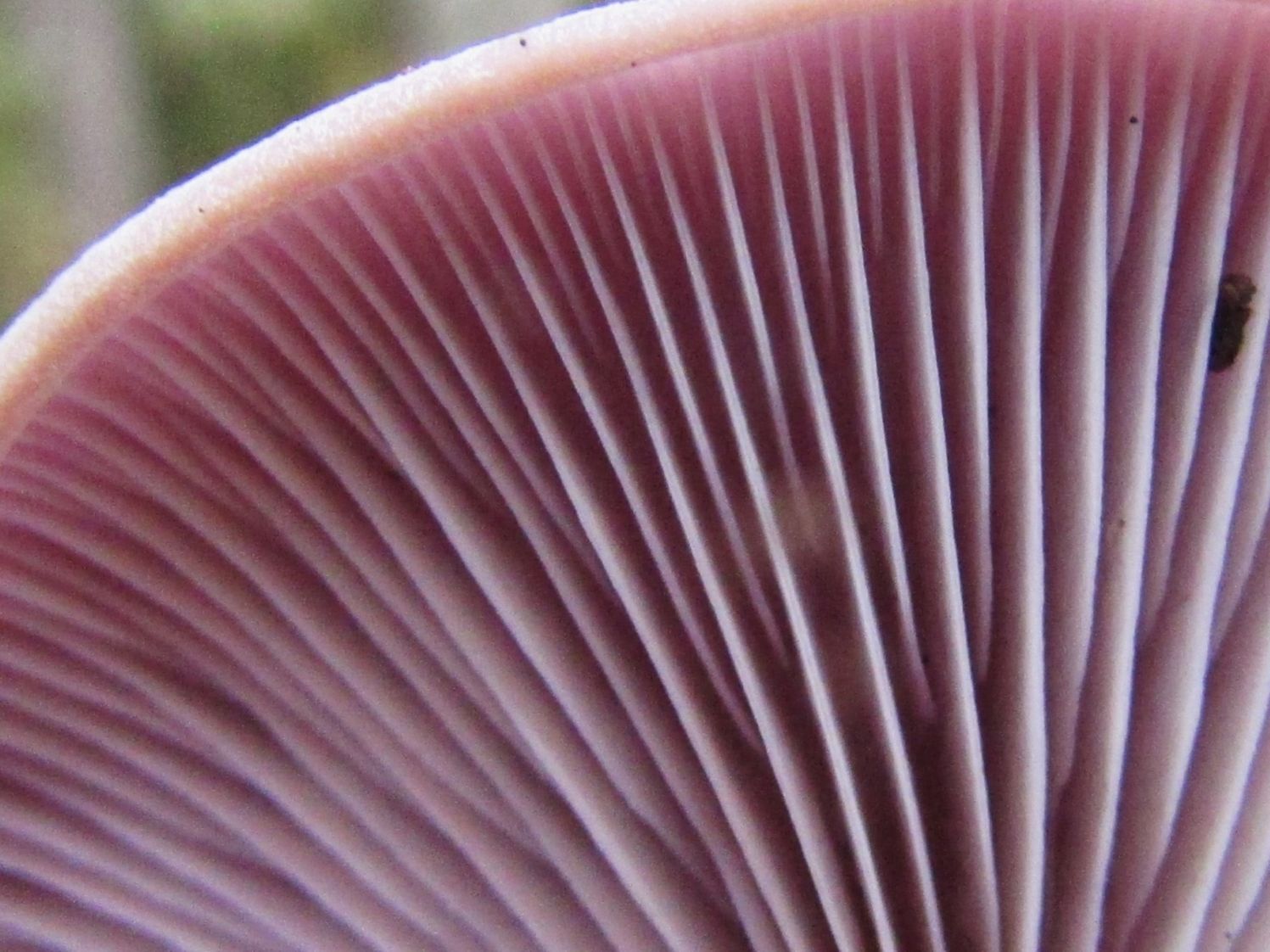
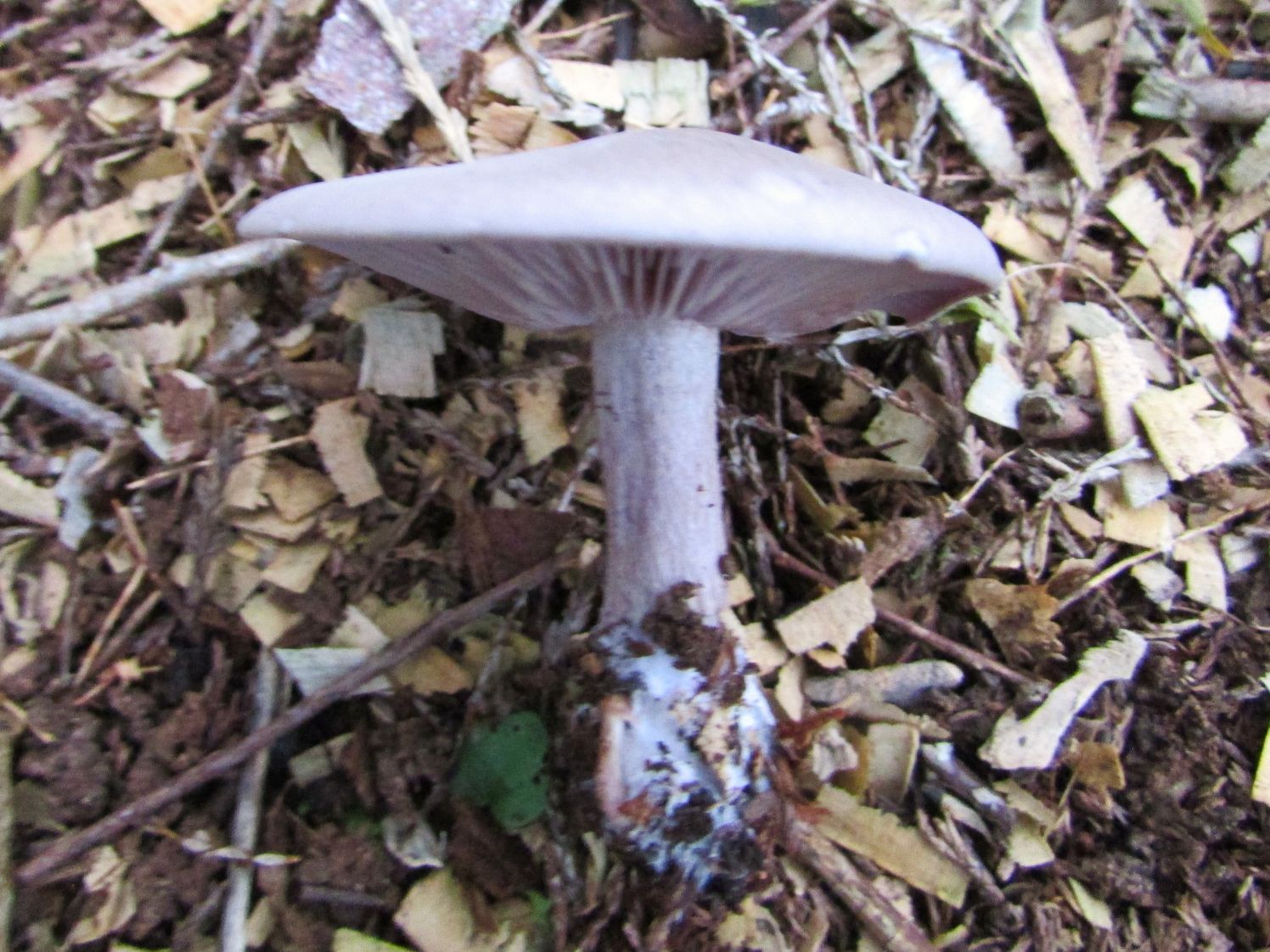
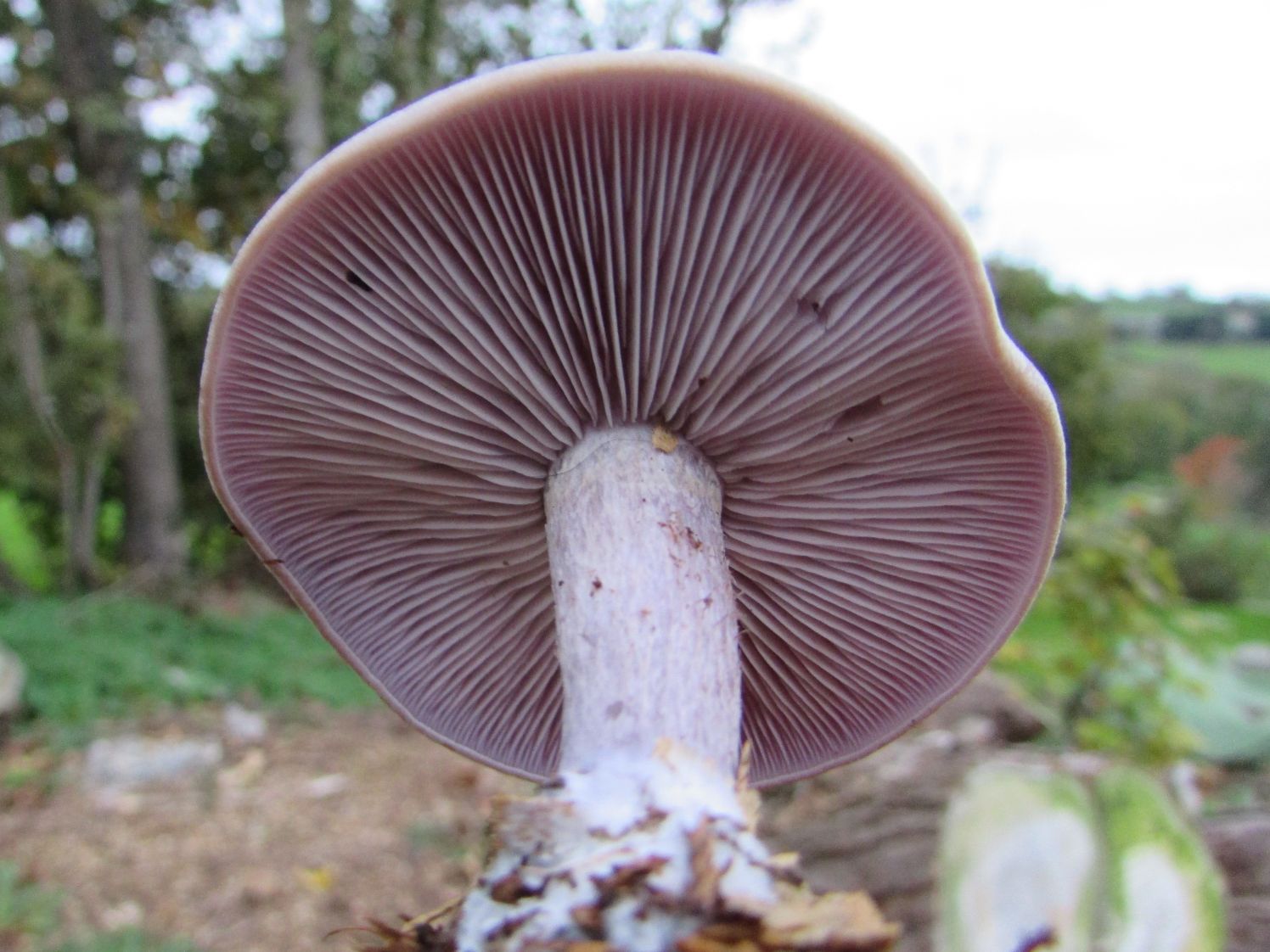
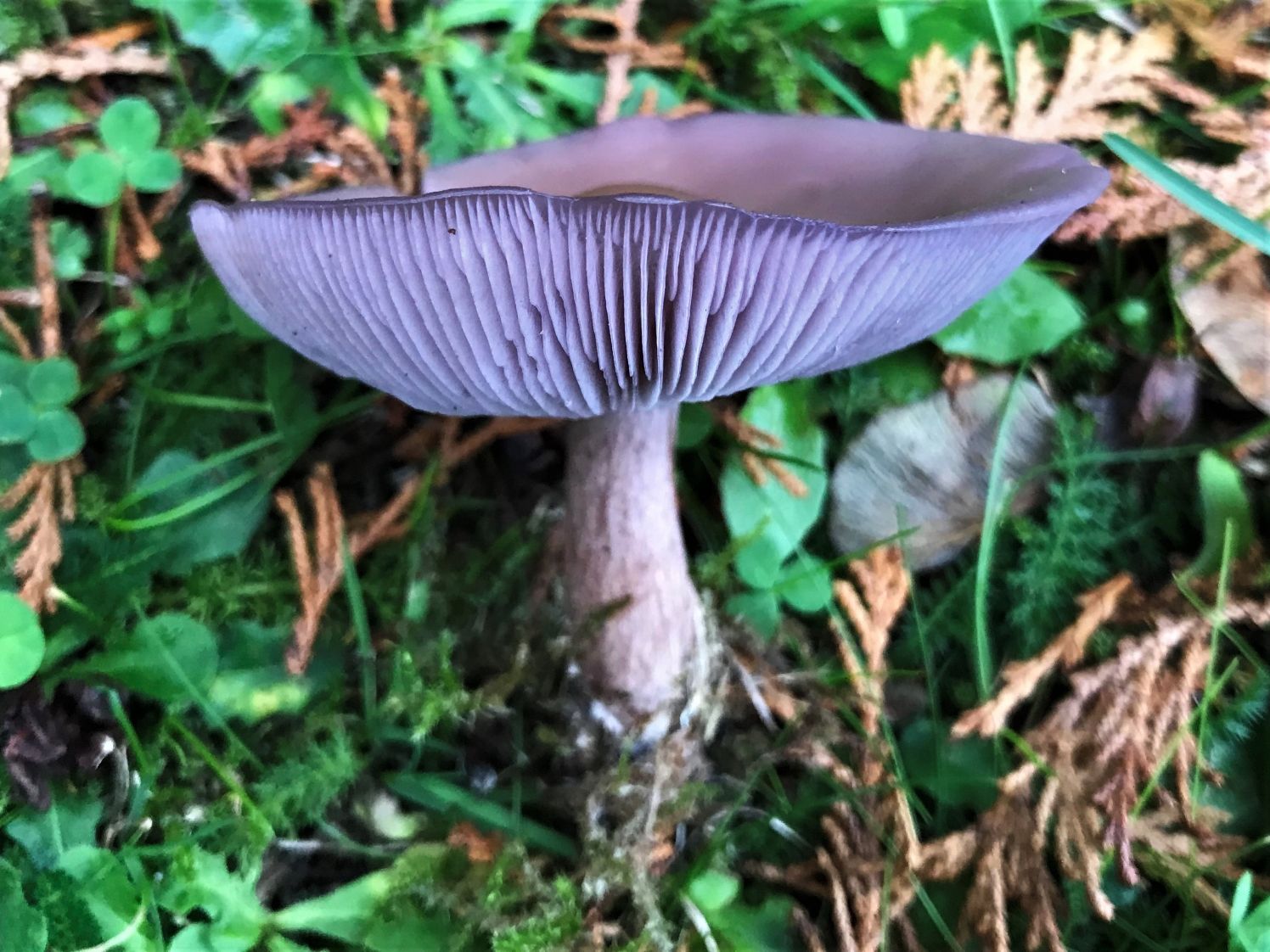
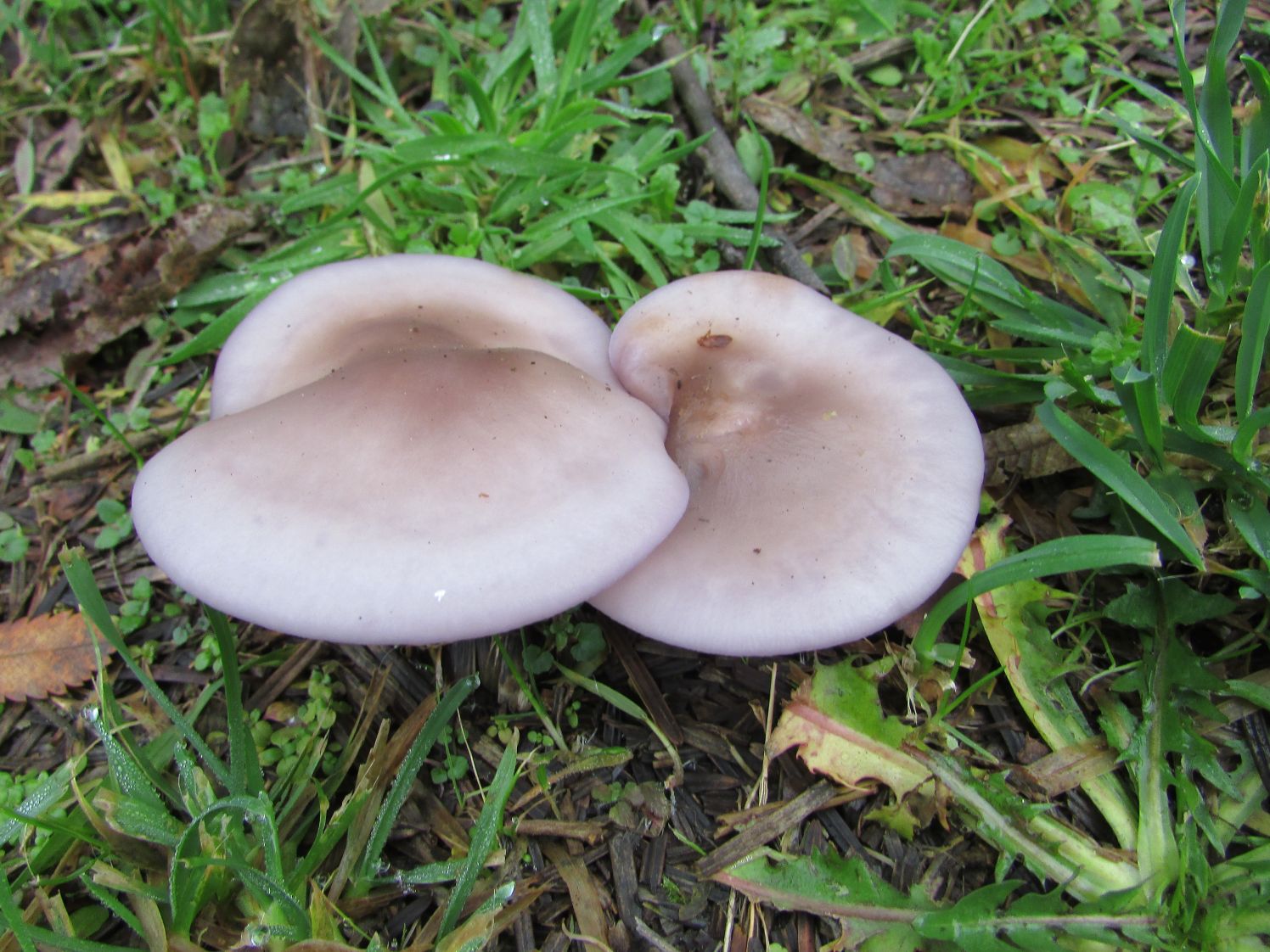
A smaller relative of our Wood Blewit which prefers more disturbed habitats
Home / Mushroom Guide /
Sordid Blewit

Sordid Blewit


| Mushroom Type | |
| Common Names |
Sordid Blewit, Gąsówka Brudnofioletowa (PL), Szürkéslila Pereszke (HU) |
| Scientific Name |
Lepista sordida |
| Synonyms |
Collybia sordida, Lepista nuda var. sordida, Lepista tarda, Lepista domestica, Melanoleuca sordida, Tricholoma sordidum |
| Season Start |
Jun |
| Season End |
Oct |
| Average Mushroom height (CM) |
2–7 |
| Average Cap width (CM) |
2–6 |

Please note that each and every mushroom you come across may vary in appearance to these photos.
Cap
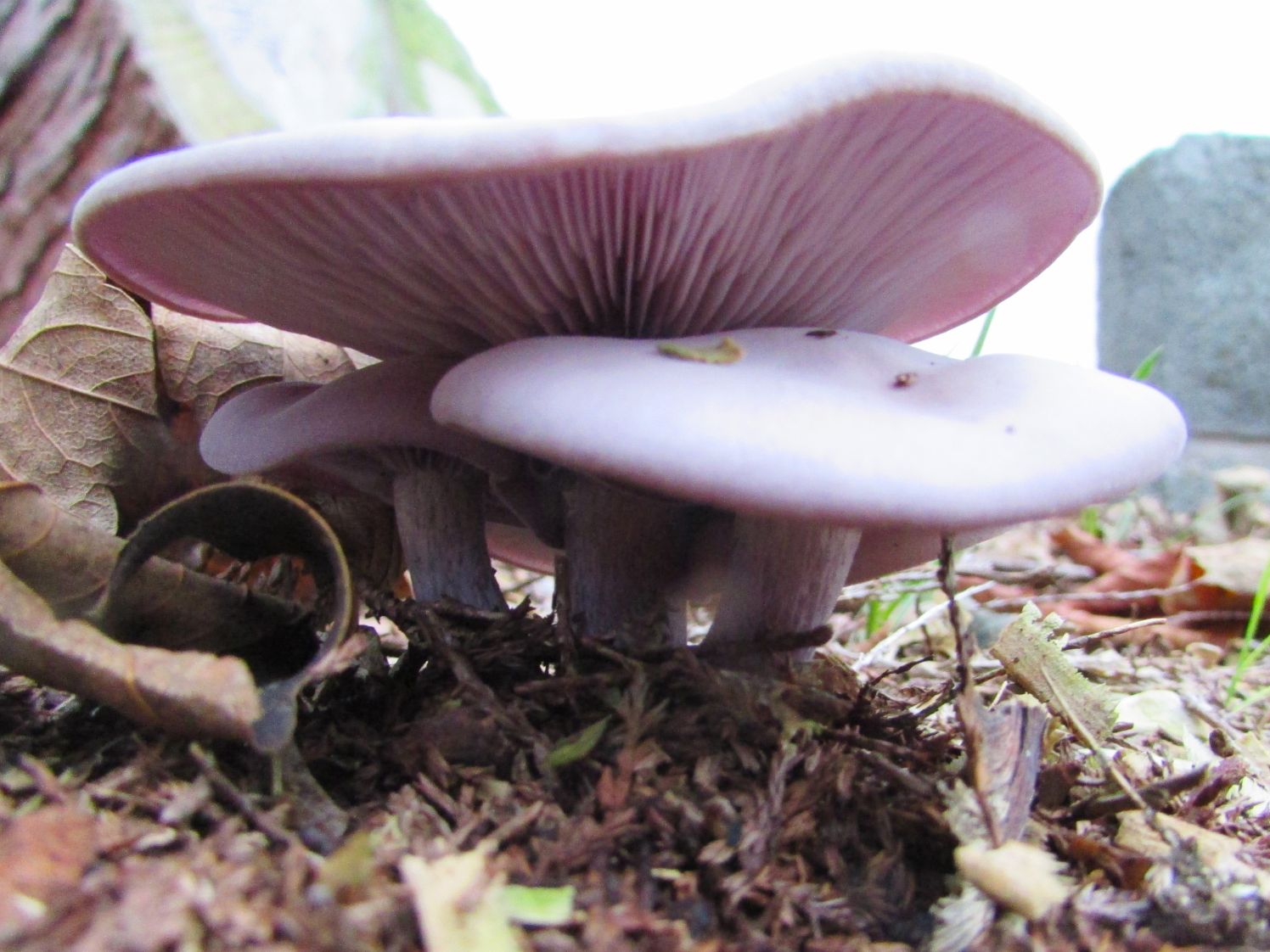
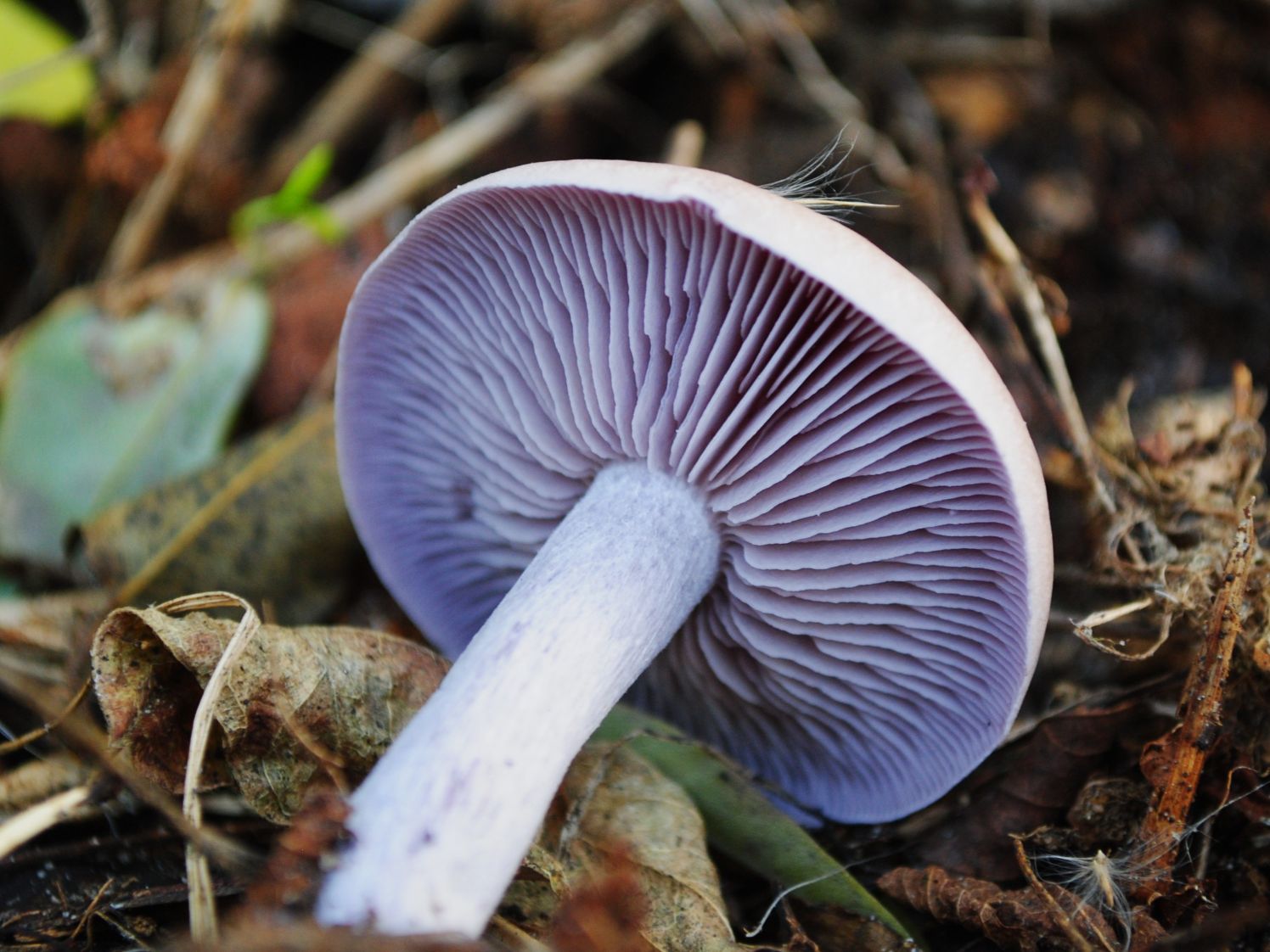
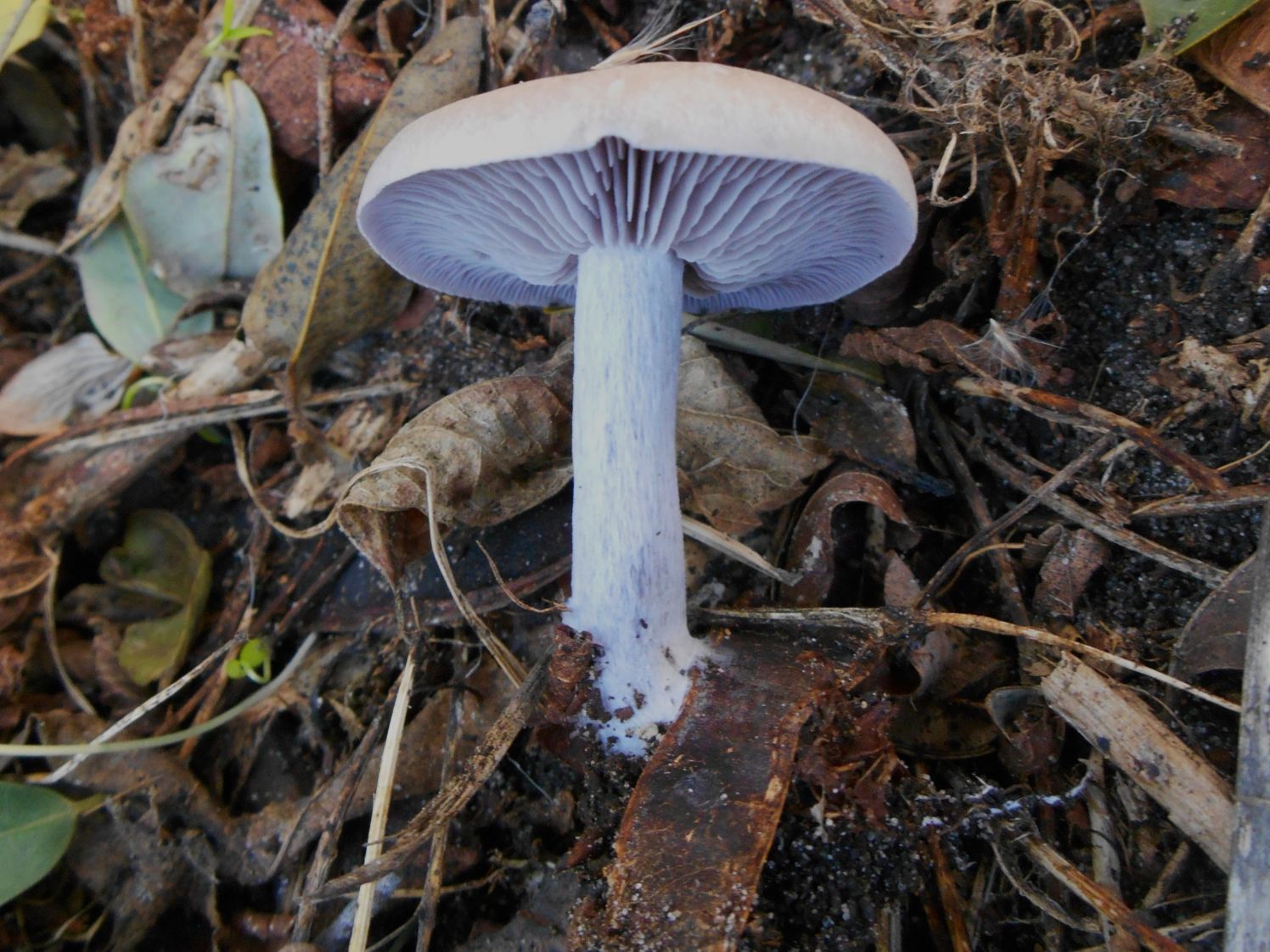
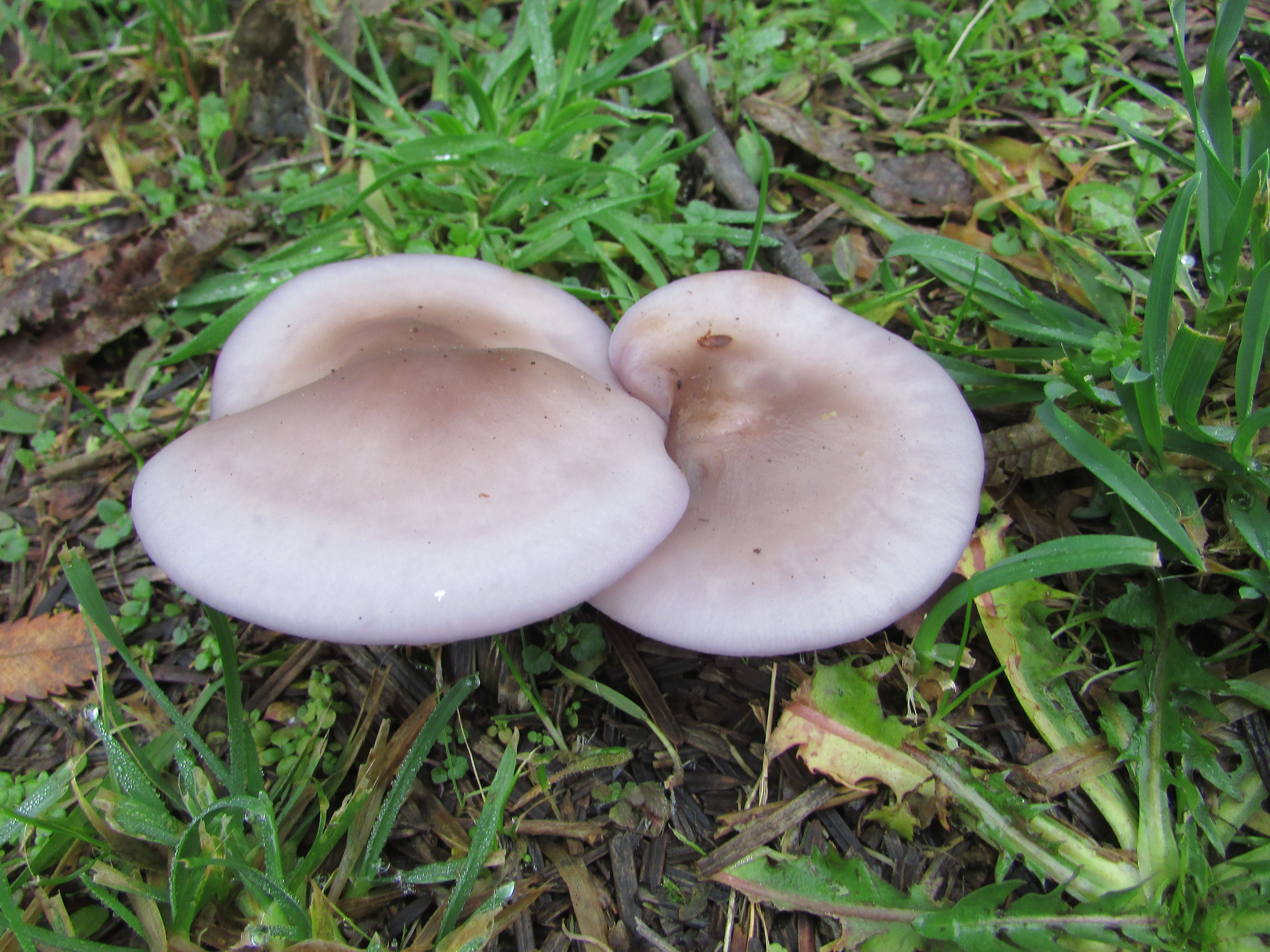
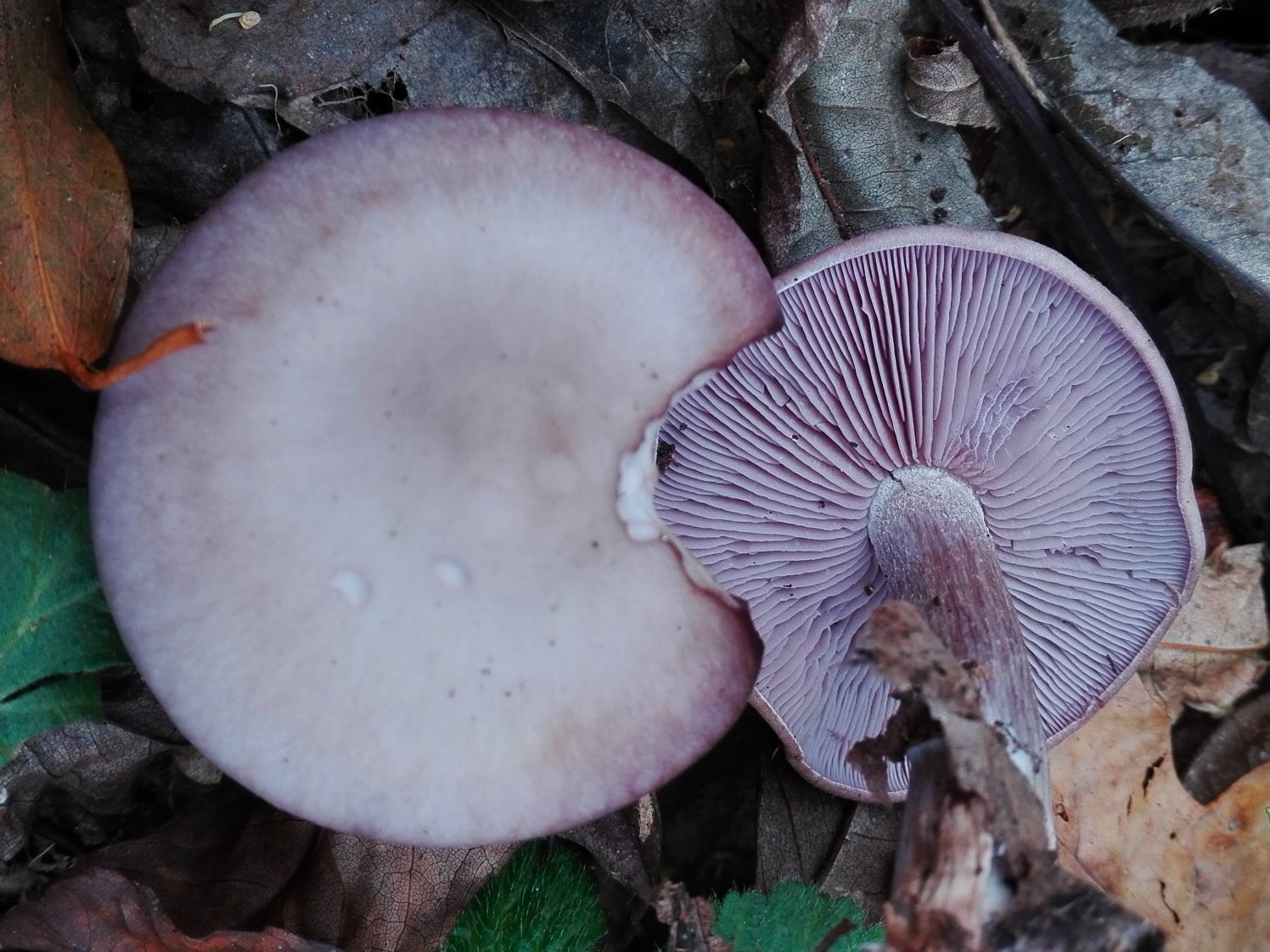
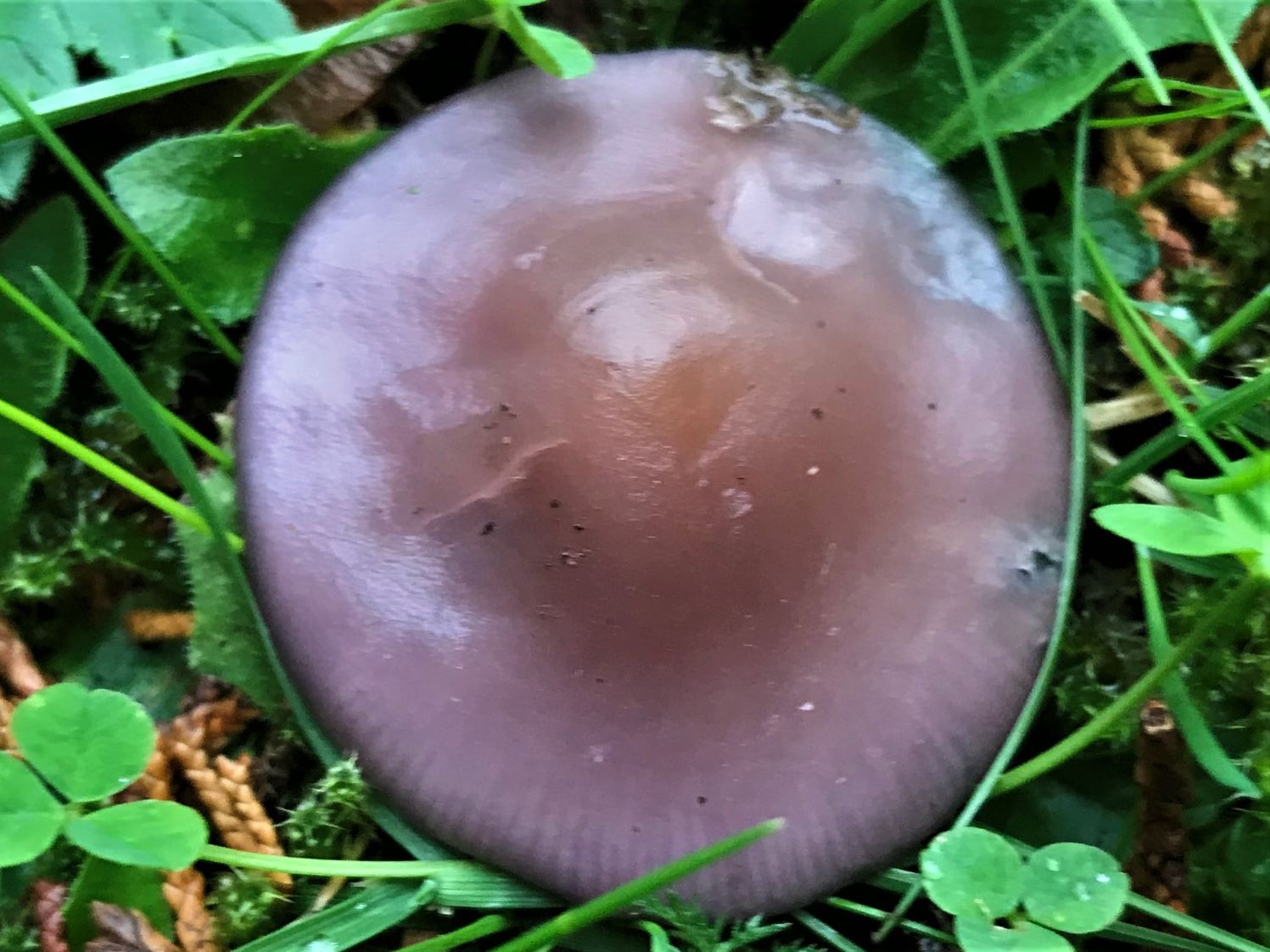
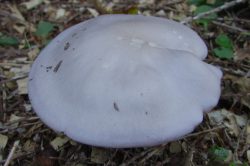
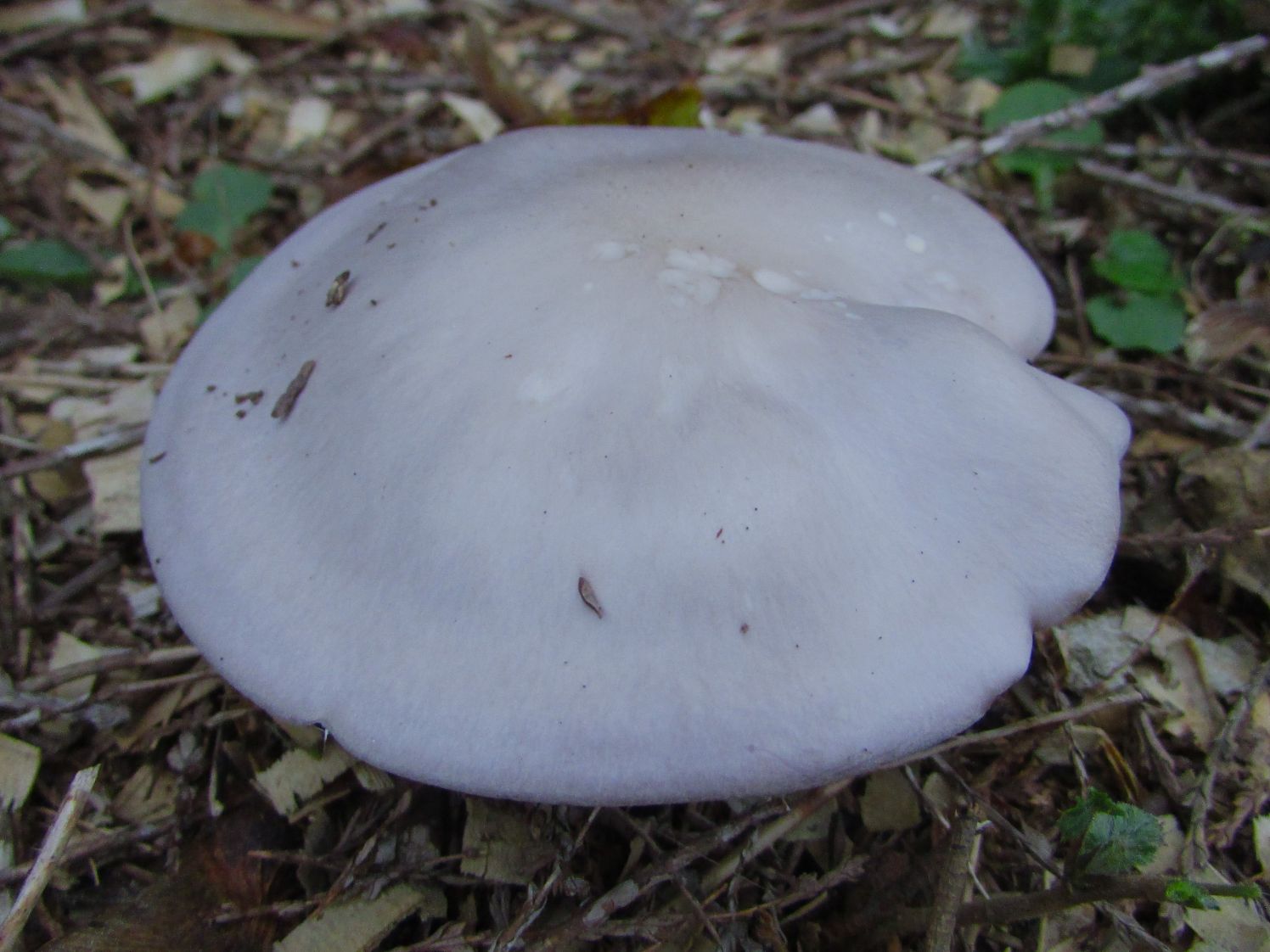
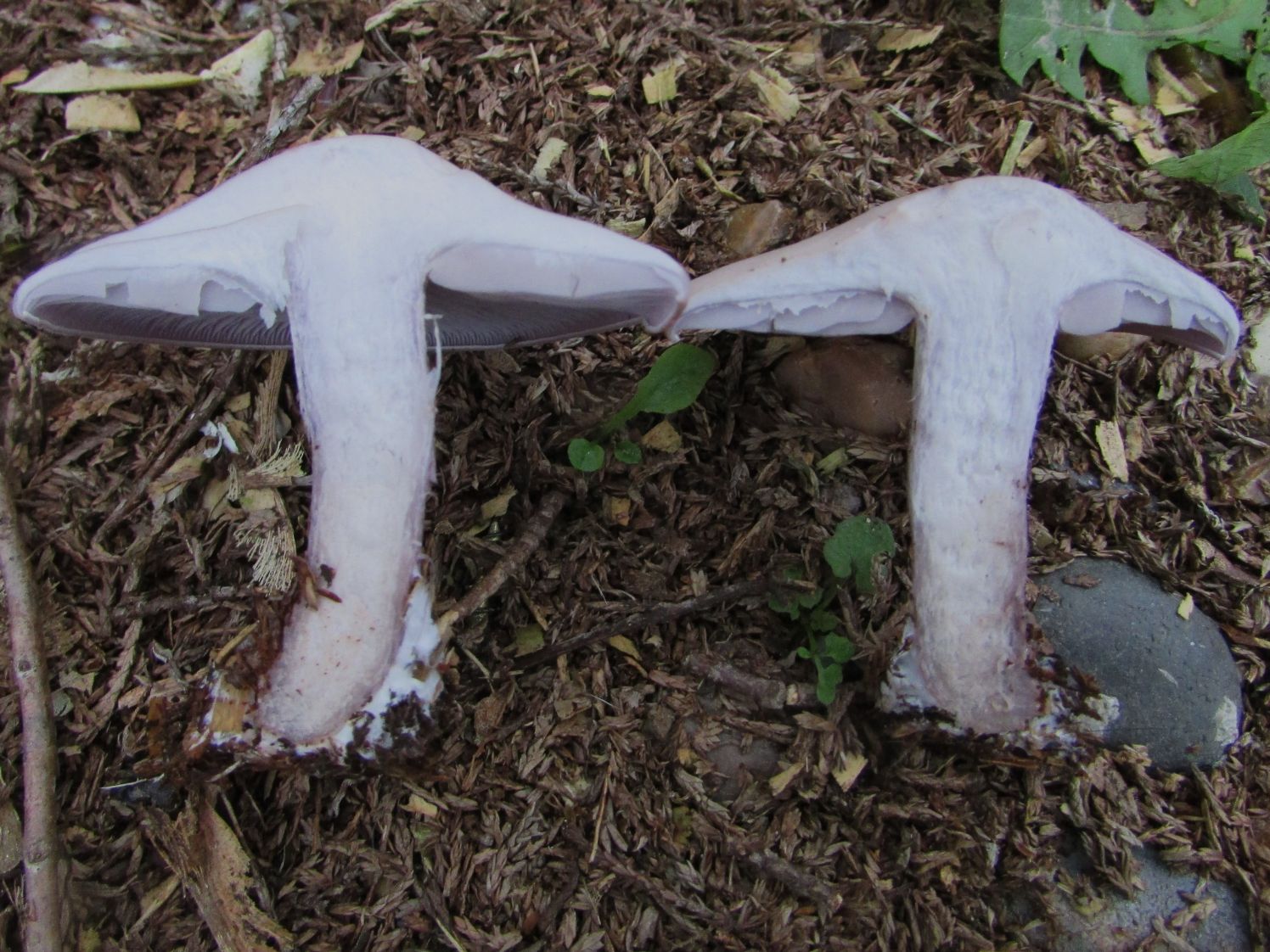
2–6 cm across. Convex at first then flattens. Sometimes with a low central umbo, but also could be slightly depressed. Skin smooth and hygrophanous; violaceous grey, greyish brown, beige-brown with a violaceous tinge. It dries pinkish grey. Edge could be irregularly wavy with age.
Stem
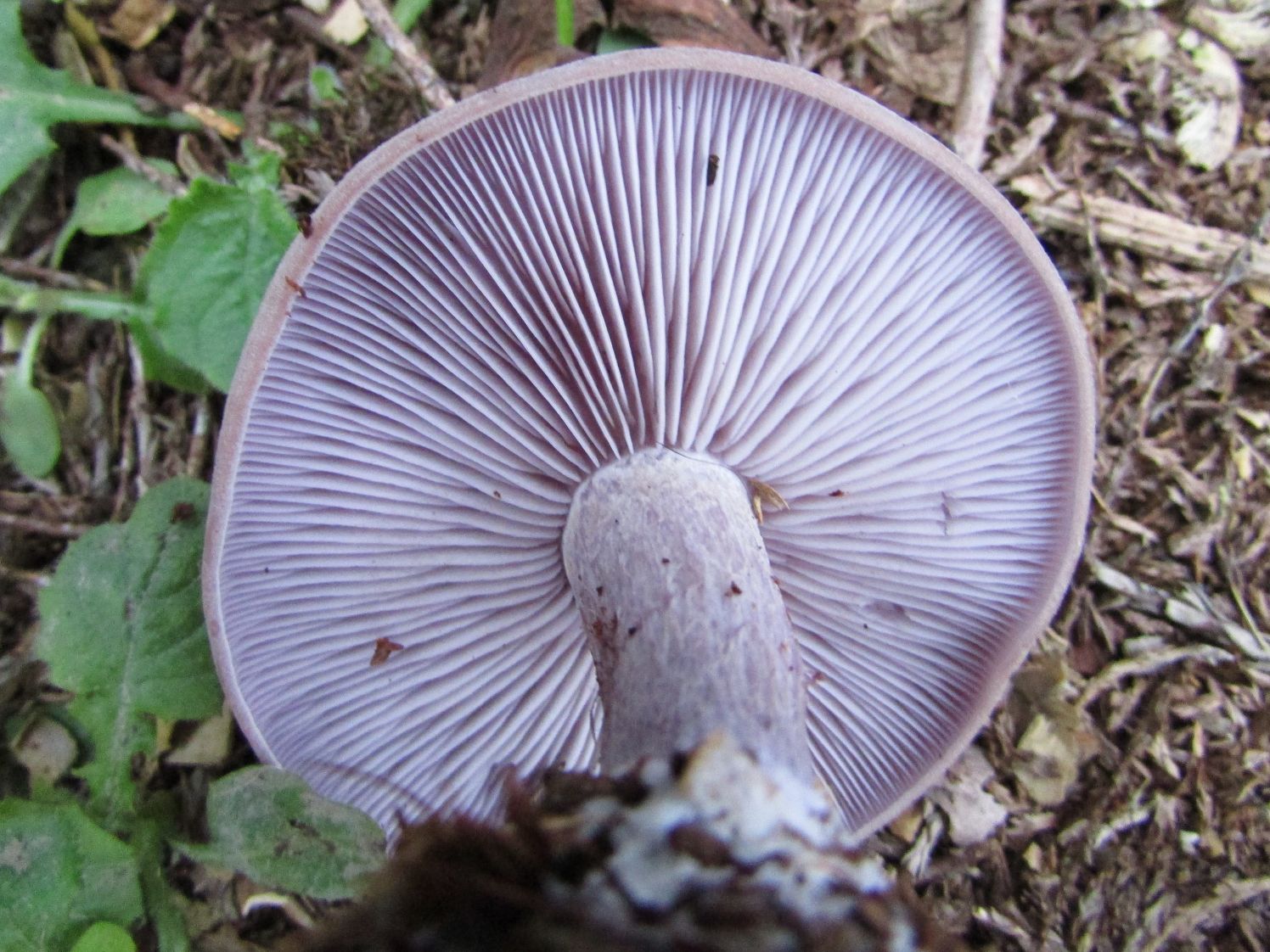
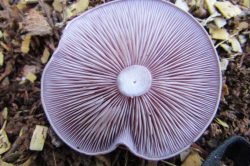
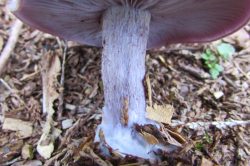
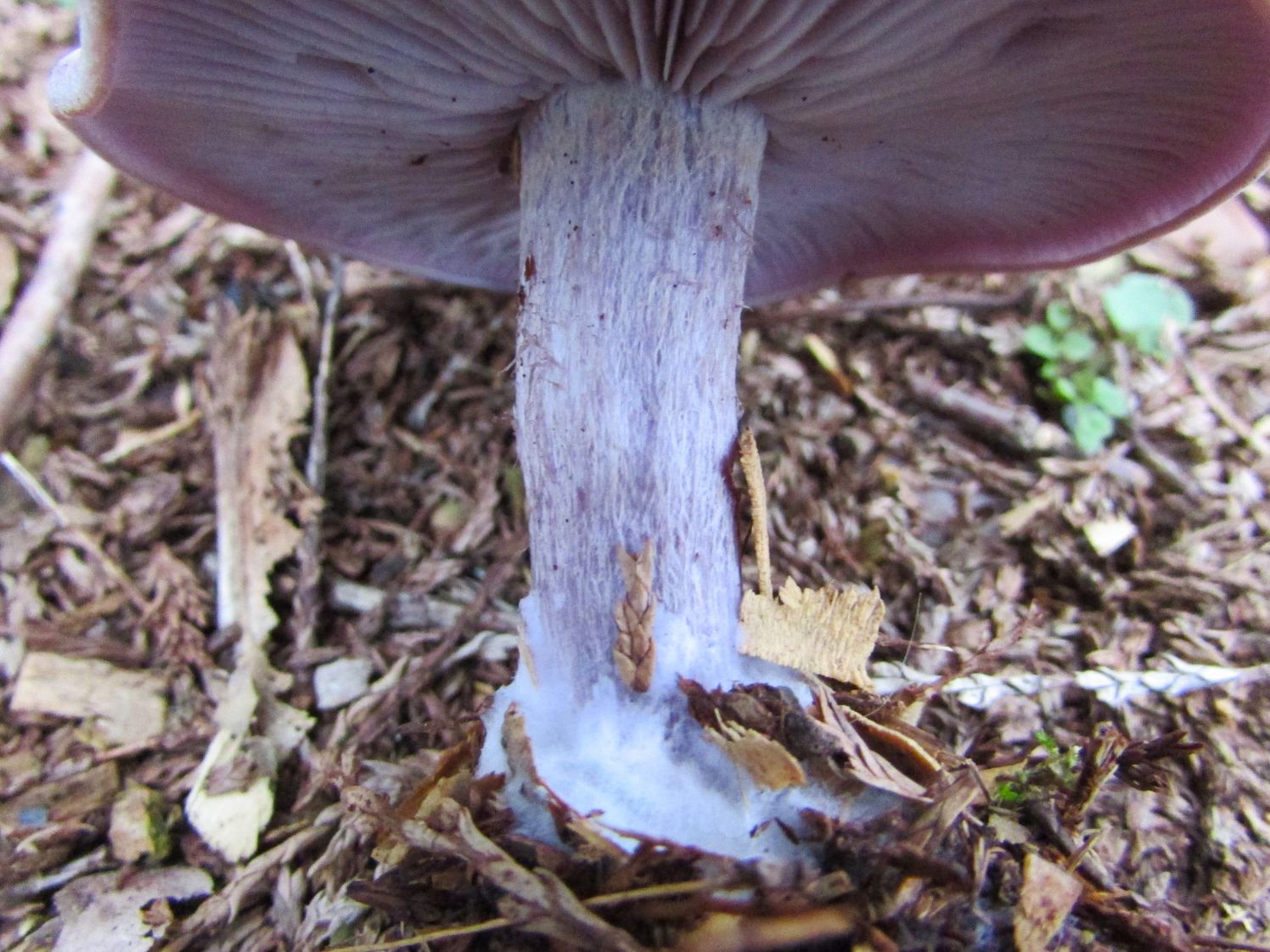
2–7 cm tall, 0.3-0.7 cm in diameter. Cylindric, concolorous with the cap, often covered with whitish fibres especially close to the base.
Habitat
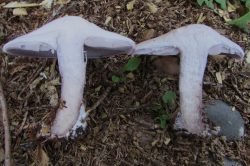
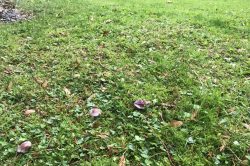
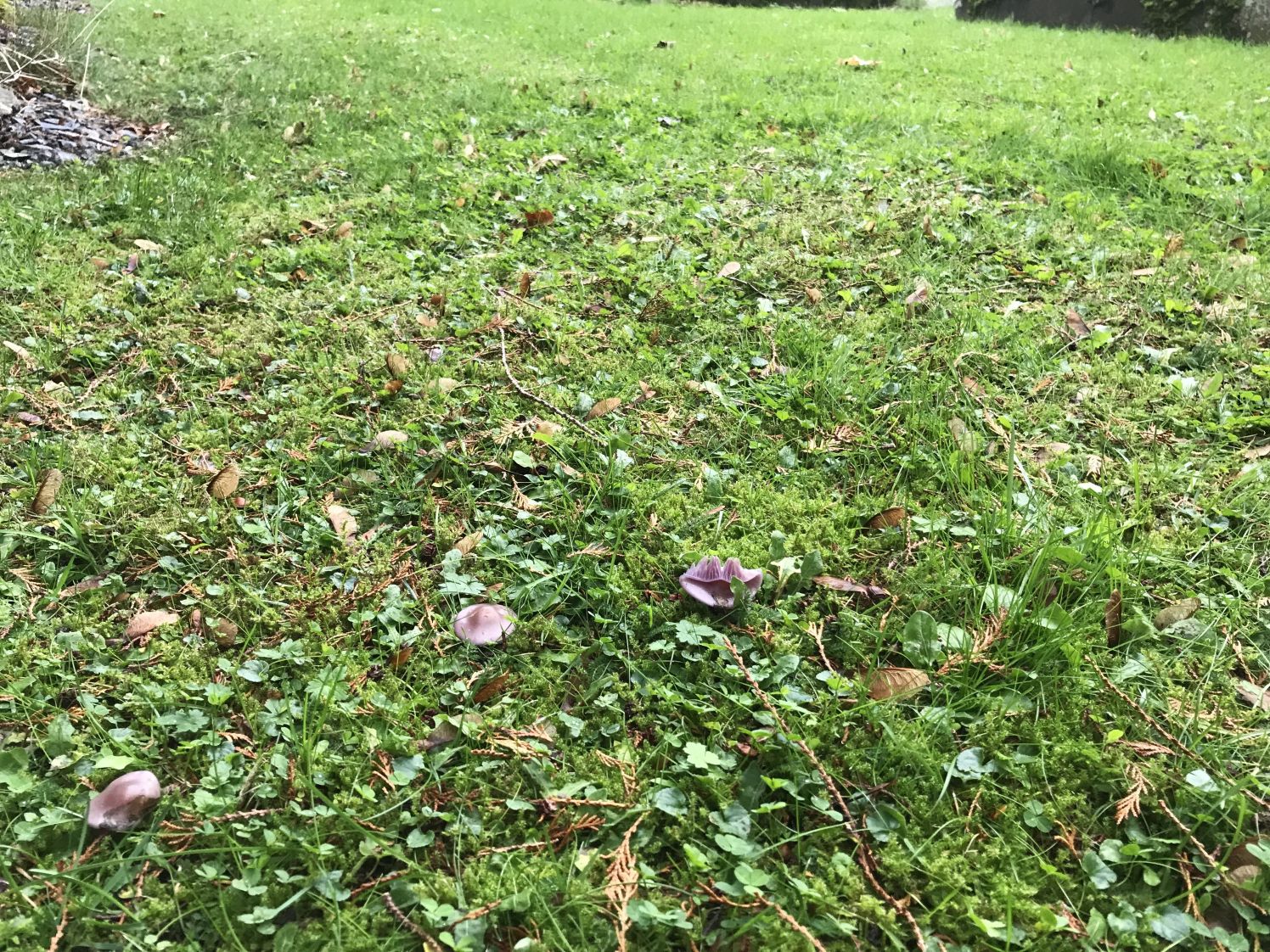
Growing individually or in smaller groups on disturbed soils, such as grassy areas in woodlands, parks, gardens or cemeteries. Saprotrophic.
Possible Confusion
Wood Blewit (Lepista nuda) looks almost identical to a Sordid Blewit but is larger and generally with a thicker flesh. This is not a problem as both mushrooms taste rather similar and both are edible.
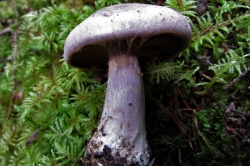
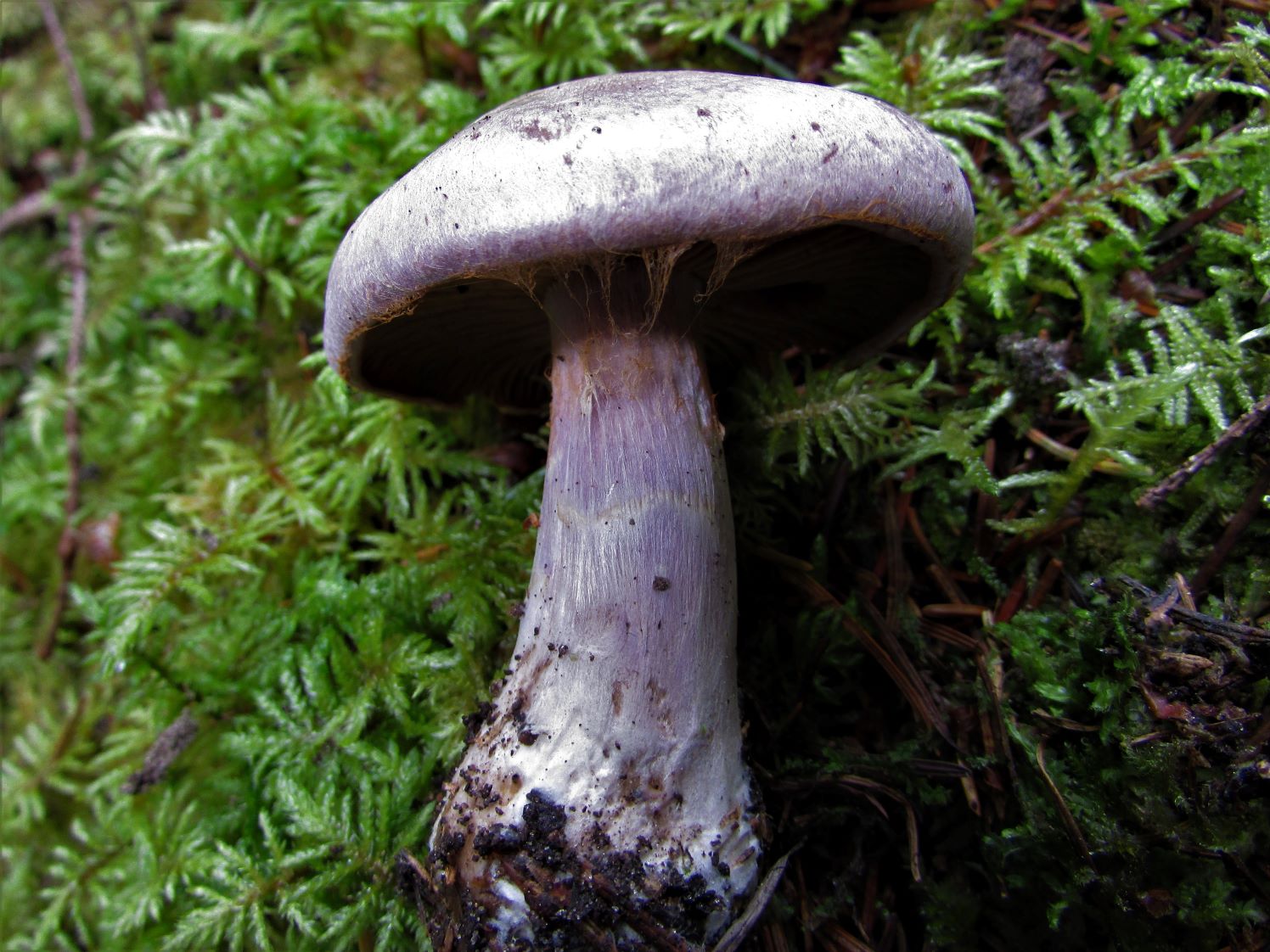
Some of the Cortinarius species, especially the Bruising Webcap (Thaxterogaster purpurascens), pictured, as they can have similar lilac blue colouring but generally have an unpleasant smell and the spore print is rusty brown. The stem will usually have band of orange/brown due to the spores sticking to the residue of the cortina or there will be some of the cortina left hanging from the edge of the cap looking a little like cobweb.
Taste / Smell
Edible. Taste mild to slightly flour-like, smells weakly aromatic to even earthy.
Frequency
Fairly common and widespread.
Spores
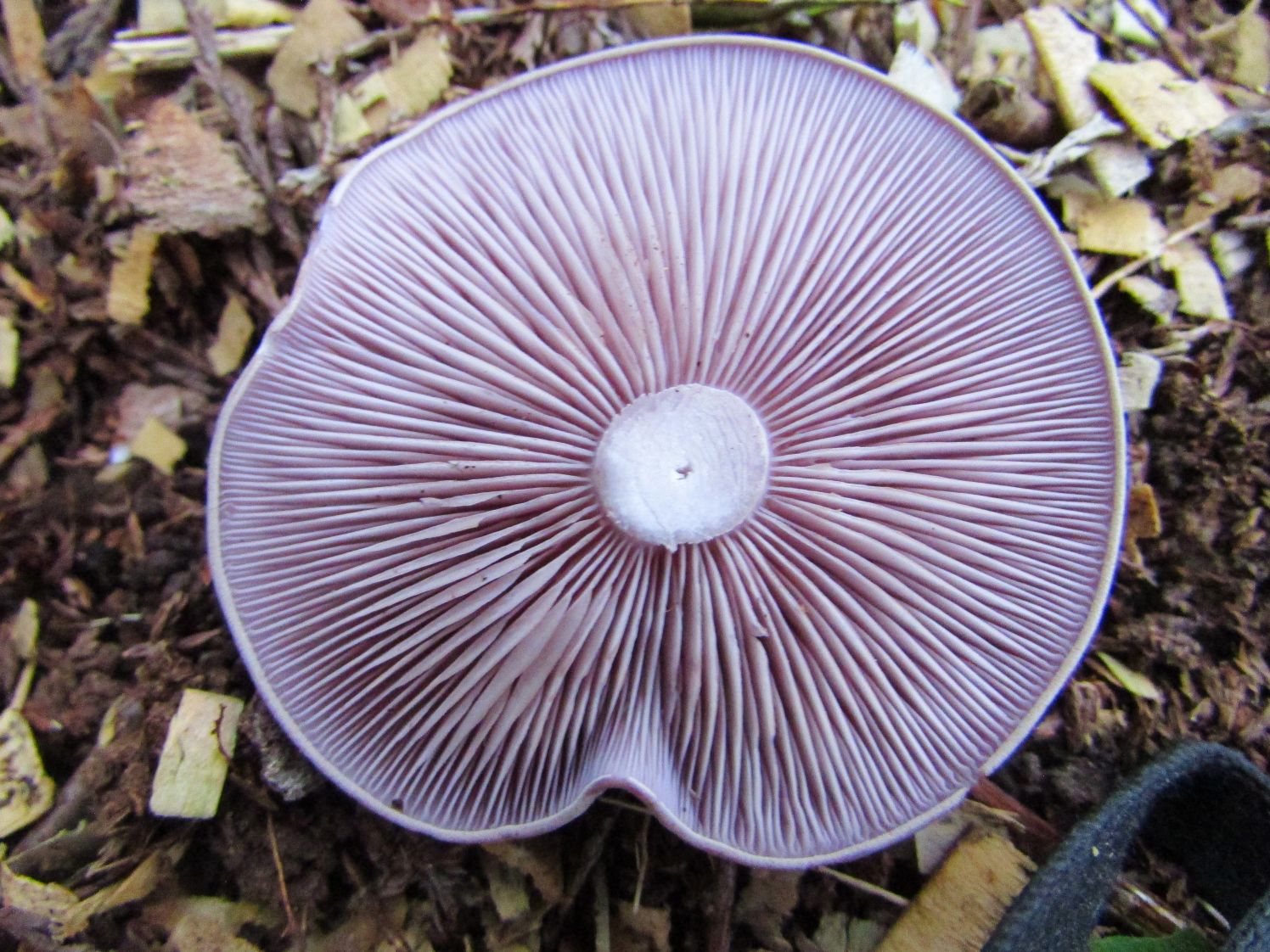
Spore print pale pinkish cream. Spores ellipsoid, covered with small spines, without germ-pore, inamyloid (meaning: there is no starch in the spore wall).
Other Facts
The recent phylogeny studies shook up the taxonomy of clitocyboid species. Based on the phylogeny studies of He, Chen, Bau, Wang & Yang (2023), many rushed to move all the former Lepista species into the genus Collybia, however, not everyone agrees with this change. He & Yang (2024) proposed to conserve the genus Clitocybe and place all the former Lepista species into the genus Clitocybe, but as a section. It would definitely make sense, as Lepista species were historically Clitocybe species, and just later got their own genus.
At Wild Food UK we aren’t taxonomists, and from a forager’s perspective these changes have no relevance, so we stick to the old genus name, Lepista for our Blewits (and reserving the right of being wrong in this sense).



Leave a Reply