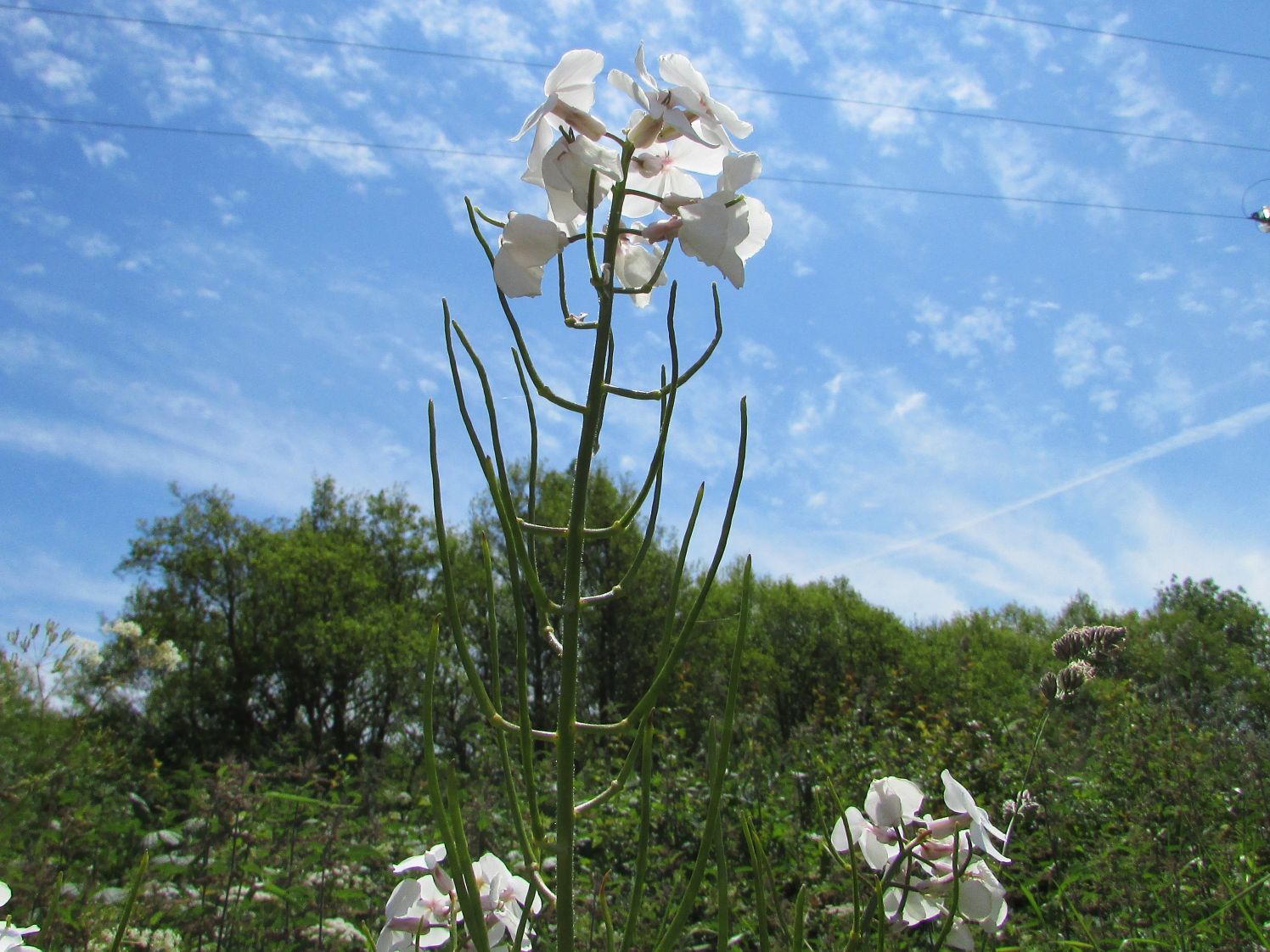
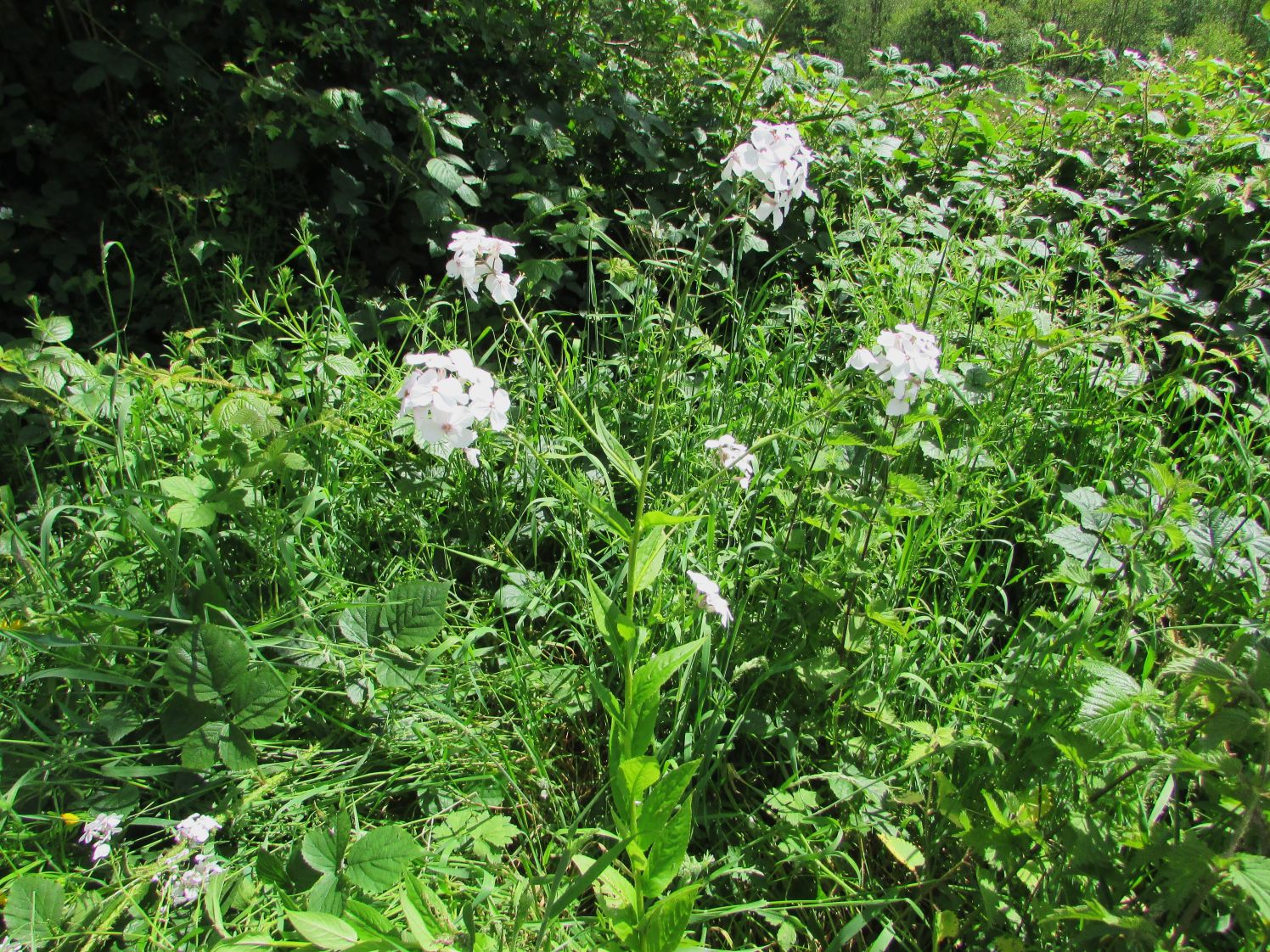
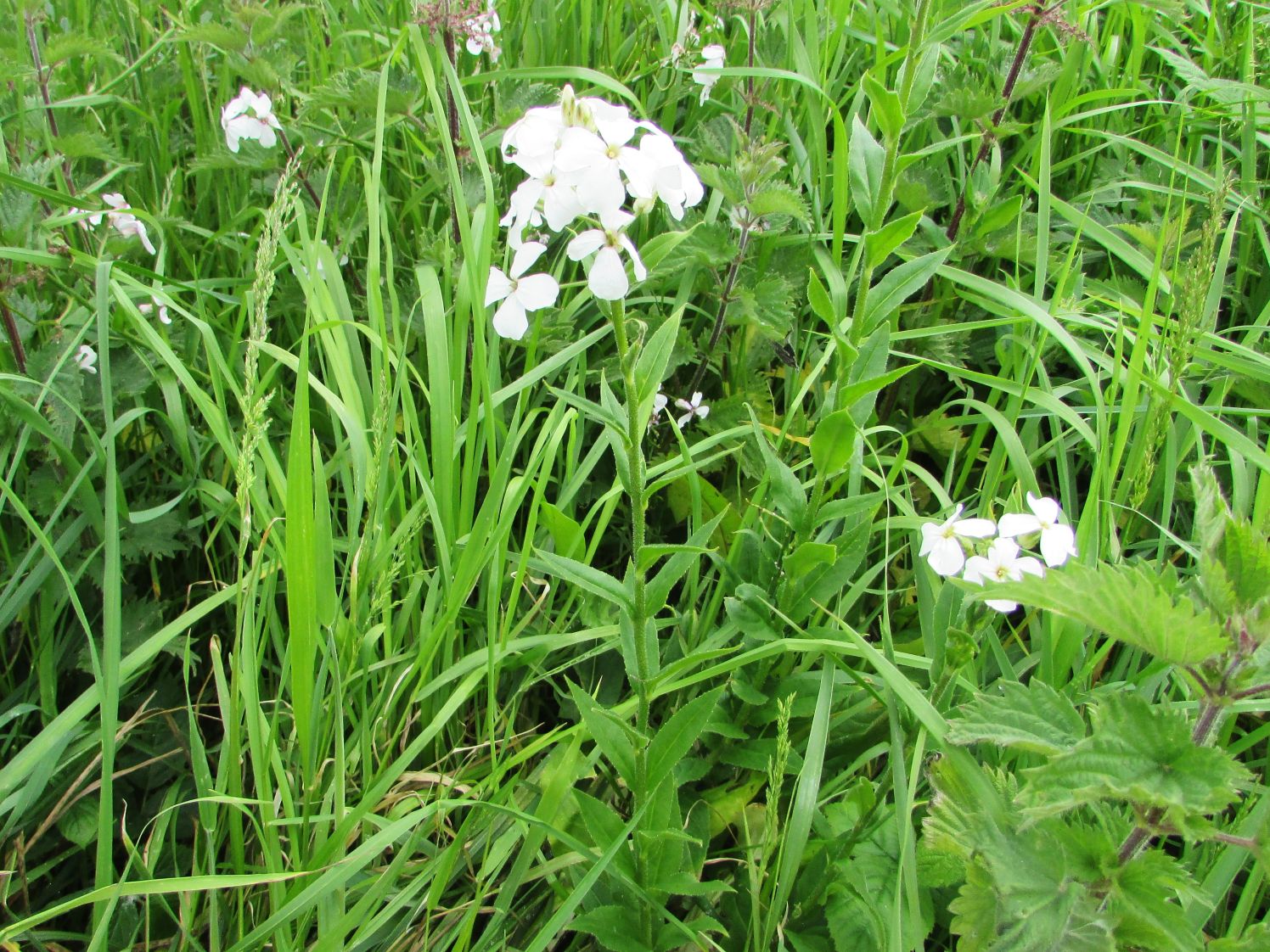
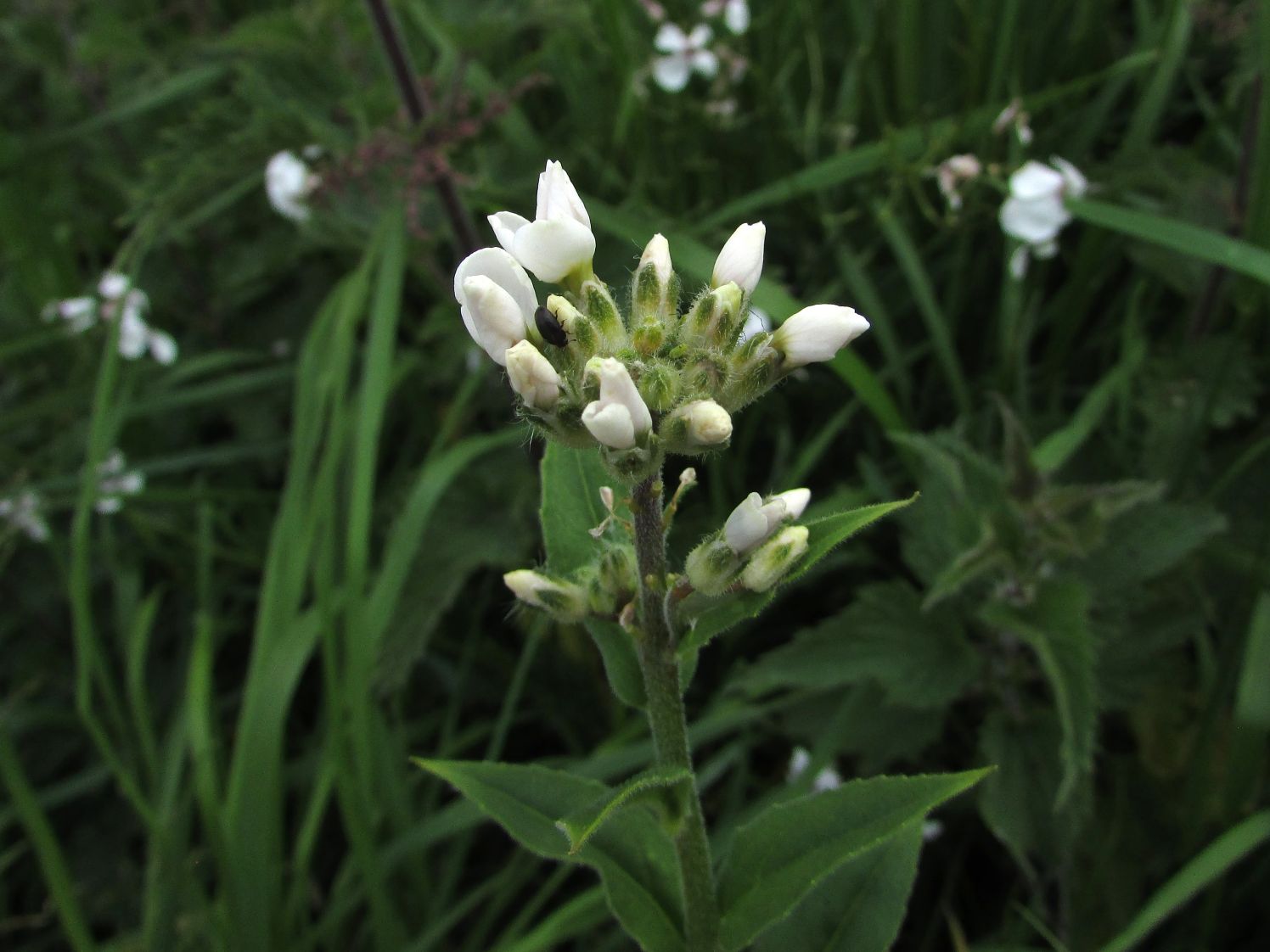
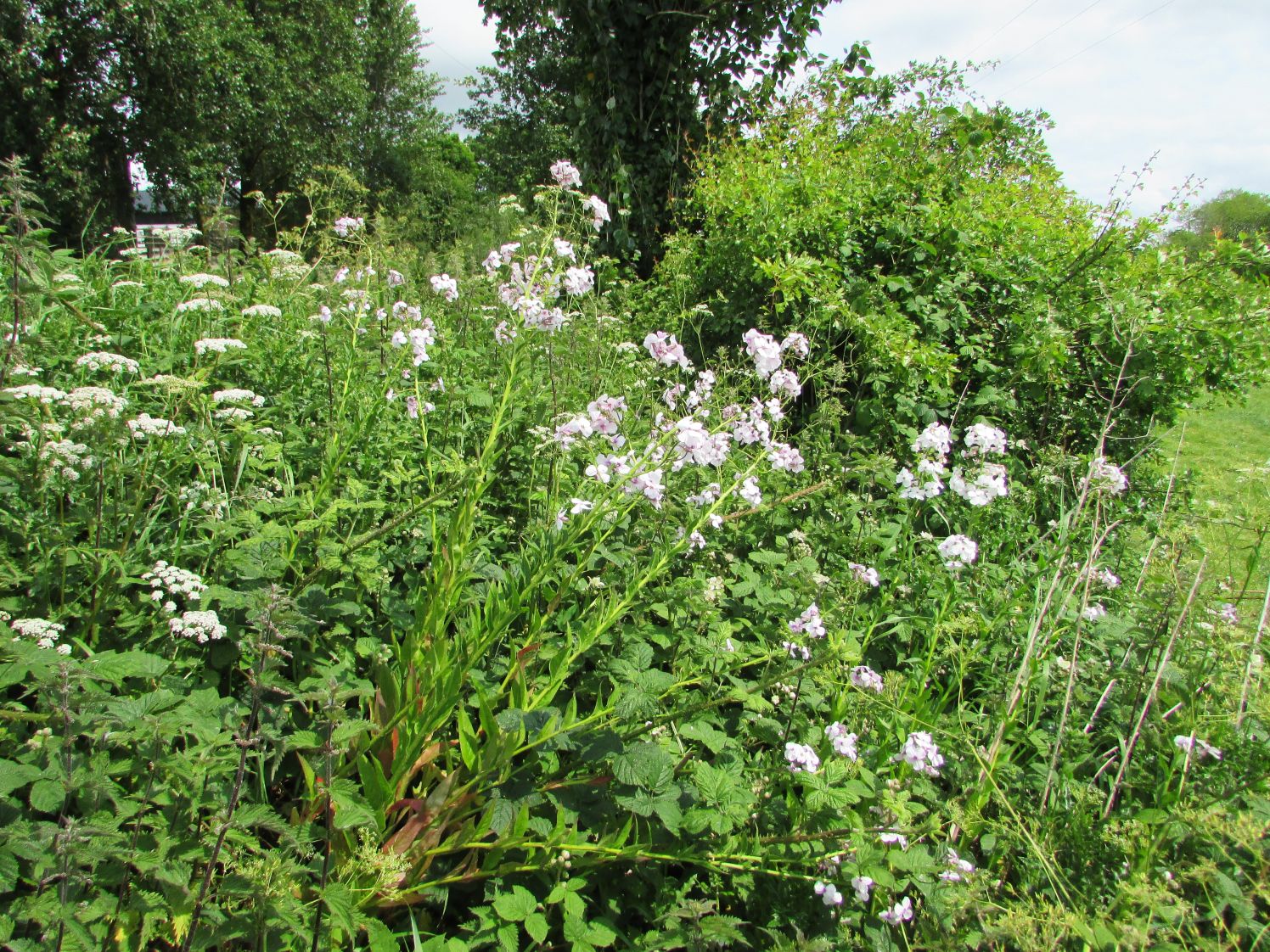
This non native garden escapee can now be found in the wild. The plant is normally biennial, producing leaves in the first year then flowering in the second but some forms can be perennial. It looks similar to Honesty but Honesty has heart shaped leaves and flat coin like seed pods.
Home / Hedgerow Guide /
Lady’s Rocket

Lady’s Rocket


| Hedgerow Type | |
| Common Names |
Lady’s Rocket, Dame’s Rocket, Dame’s Violet, Sweet Rocket |
| Scientific Name |
Hesperis matronalis |
| Season Start |
Mar |
| Season End |
Oct |

Please note that each and every hedgerow item you come across may vary in appearance to these photos.
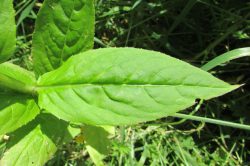
Leaves
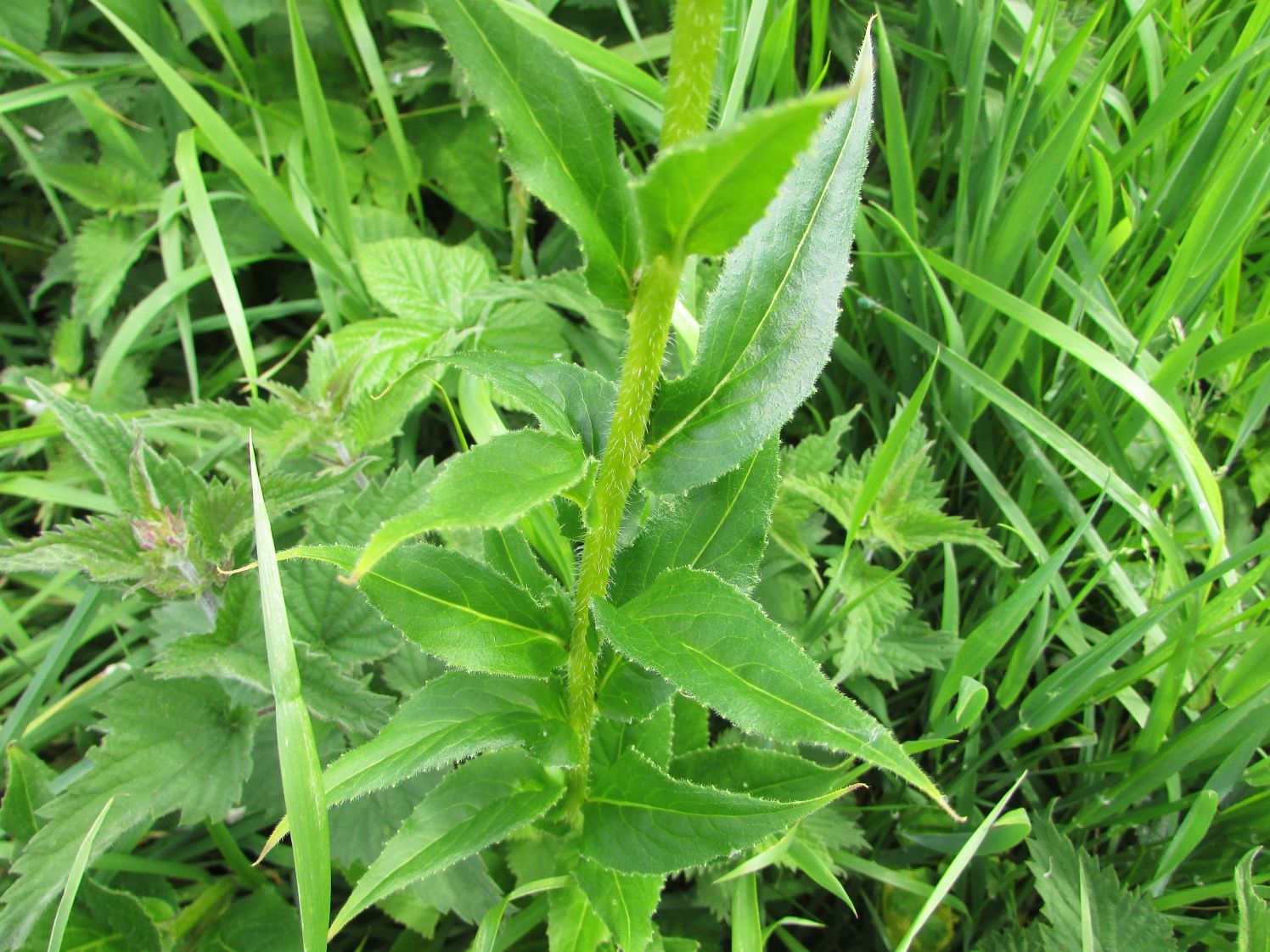
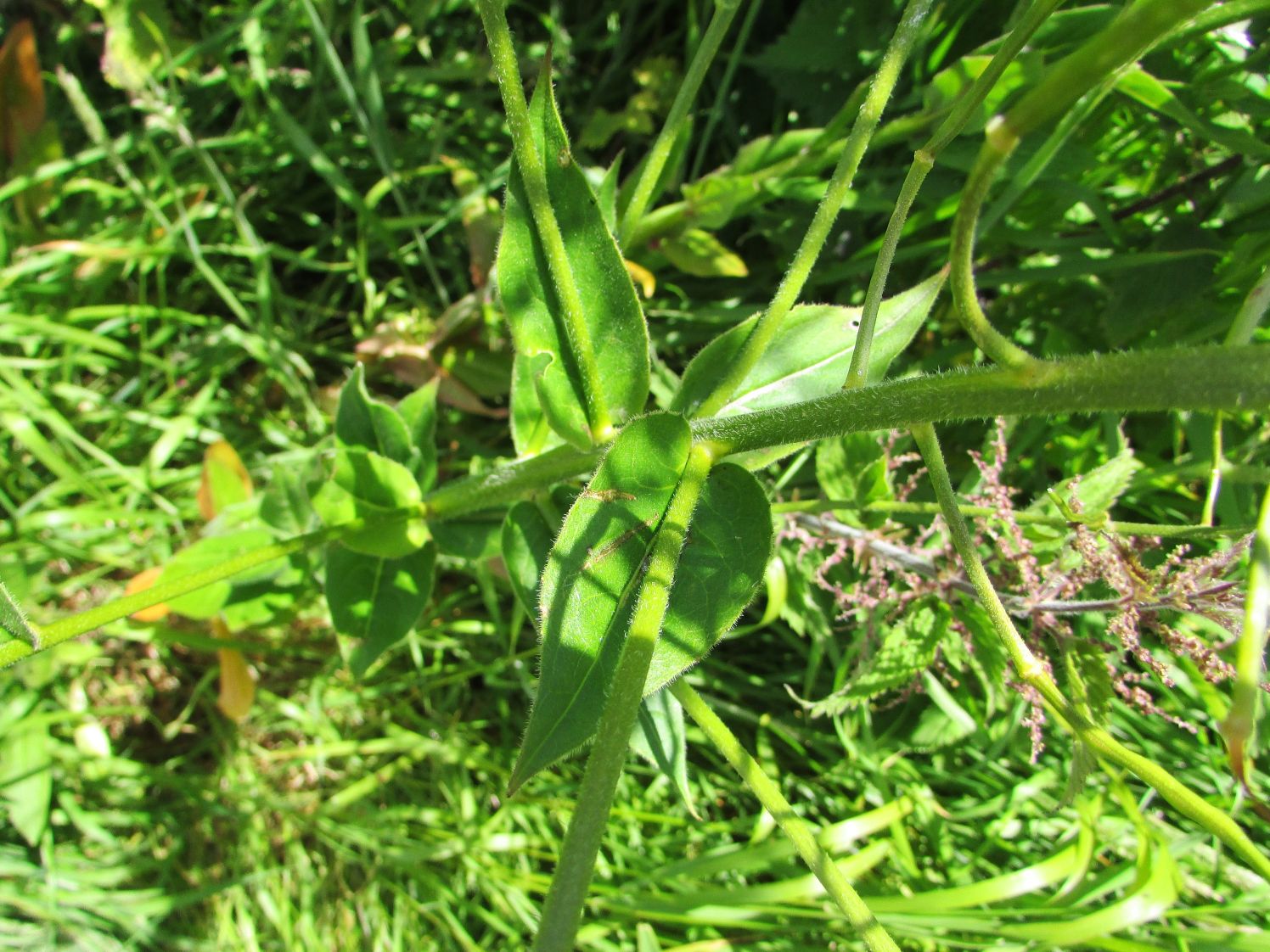
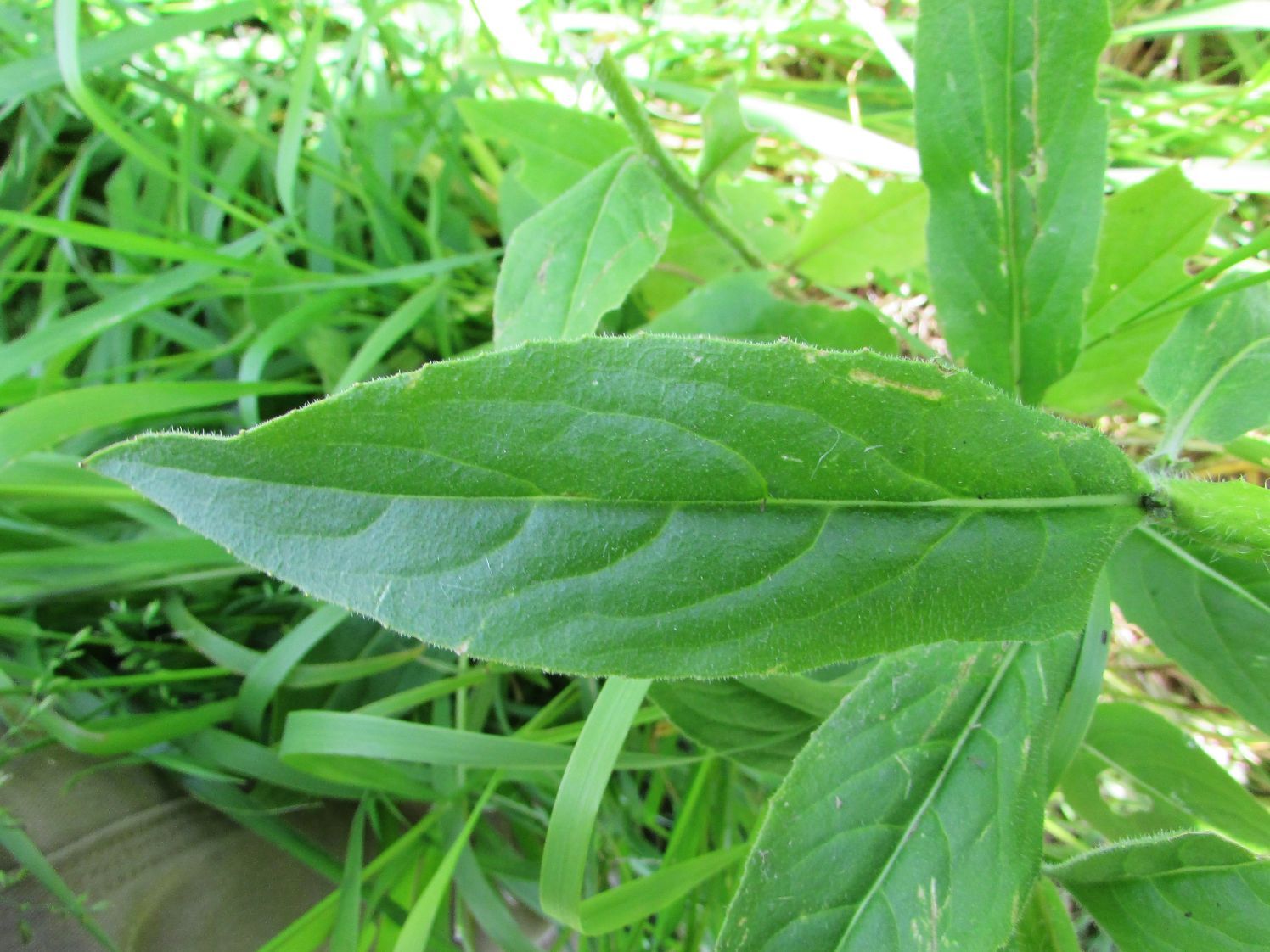
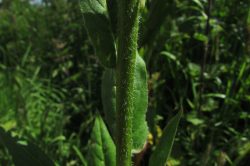
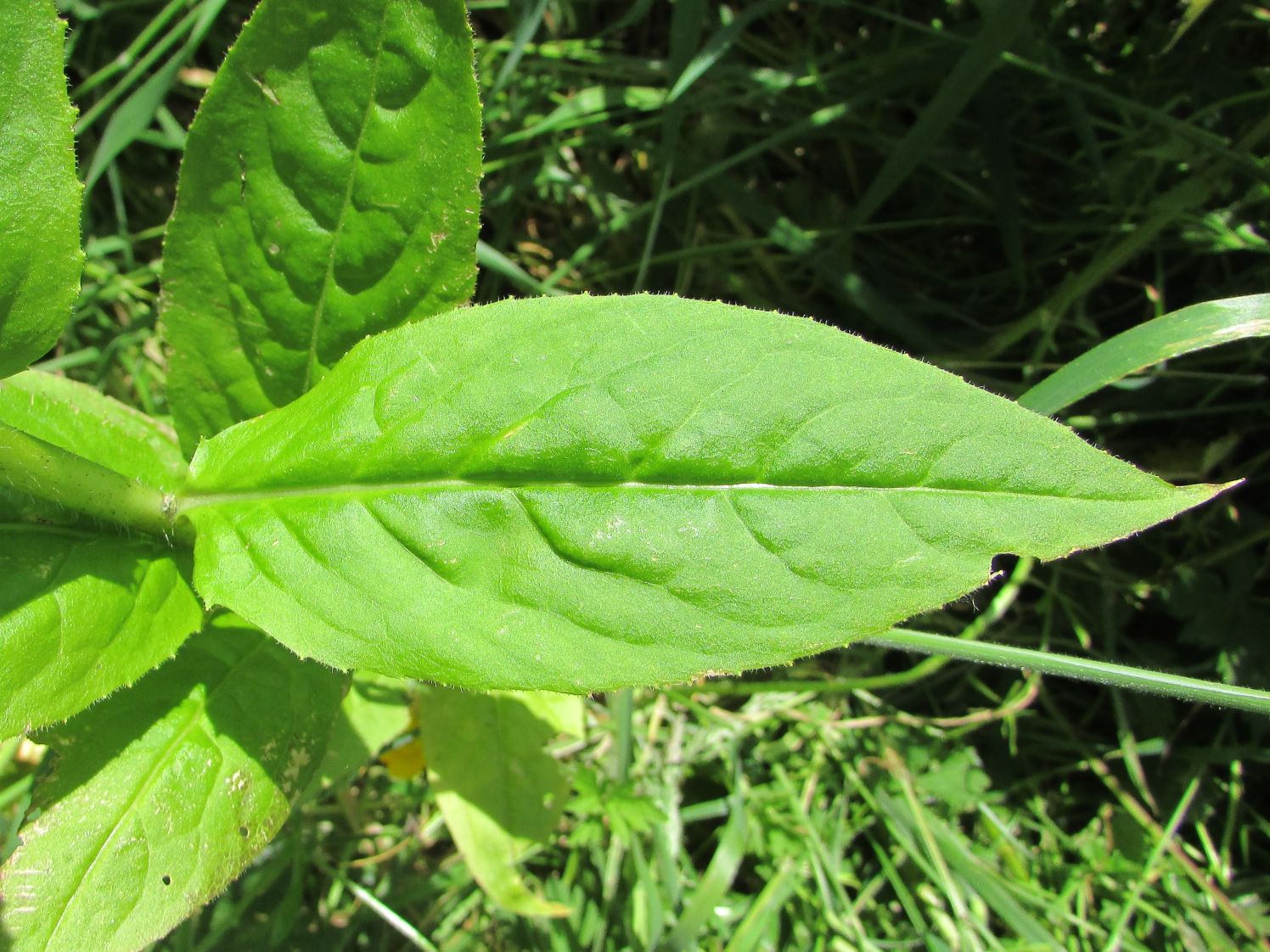
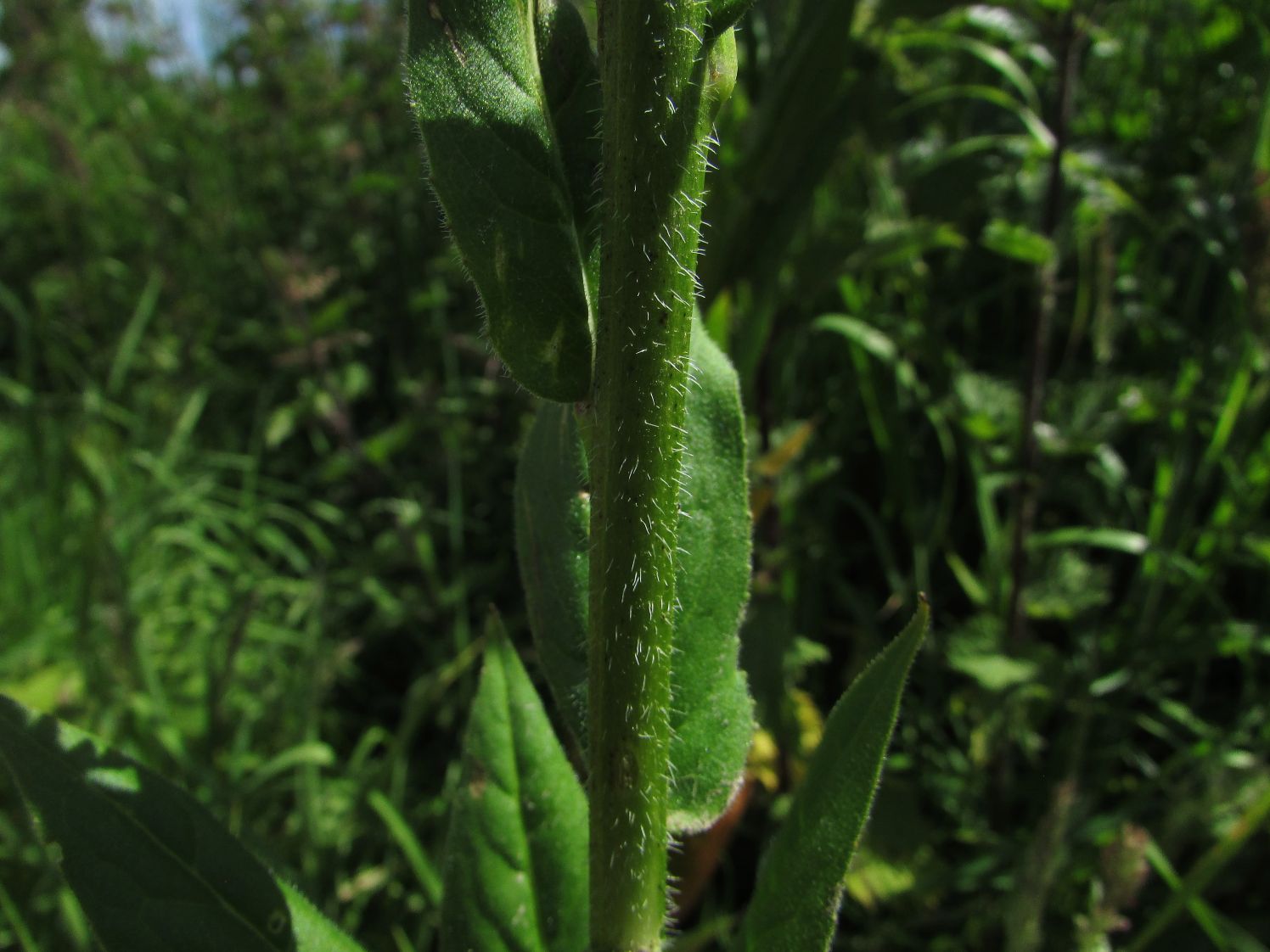
The leaves are lanceolate with a serrated, toothed edge and grow in opposite pairs on the stem.
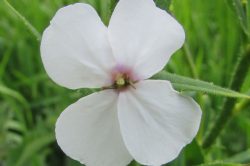
Flowers
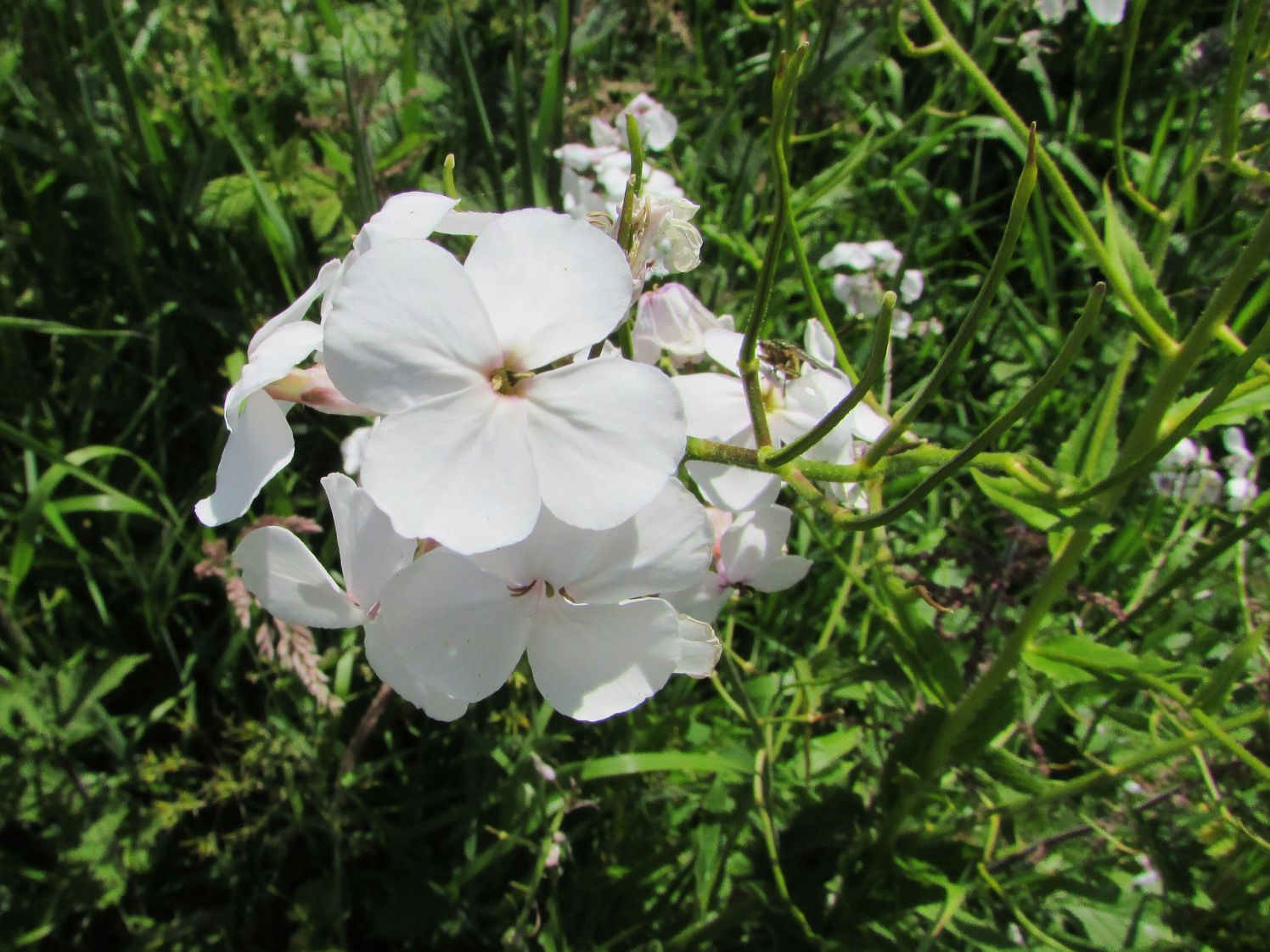
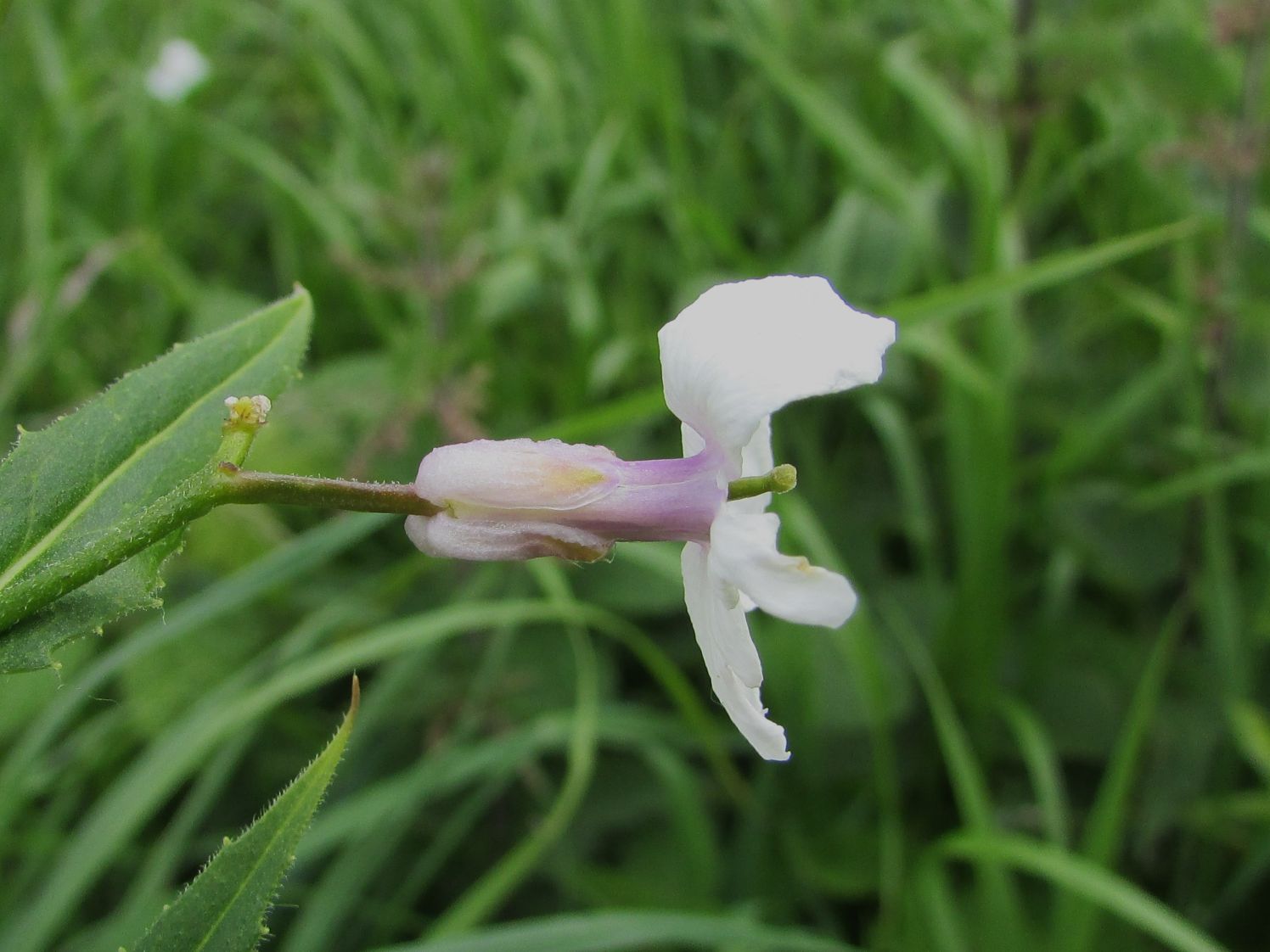
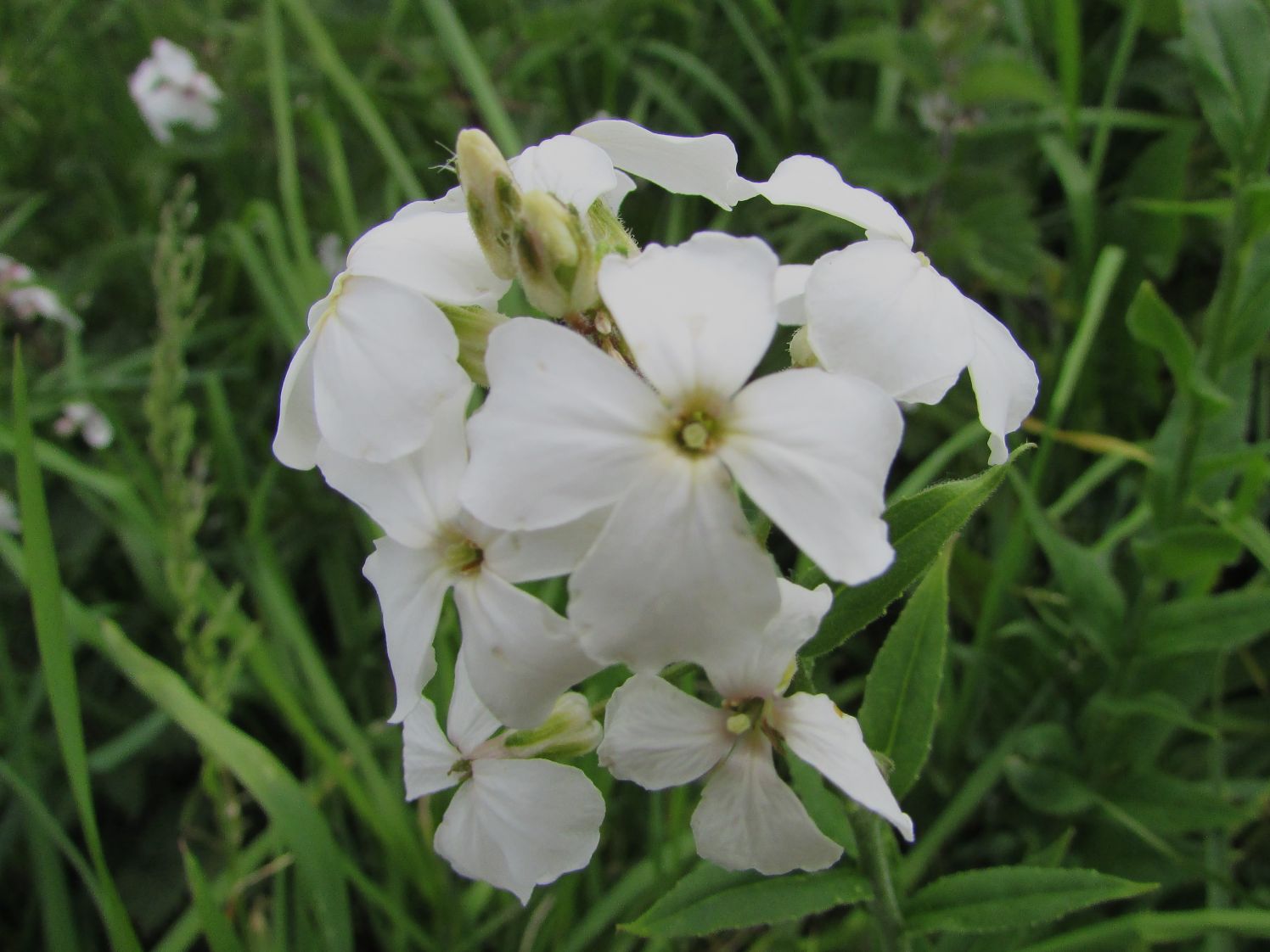
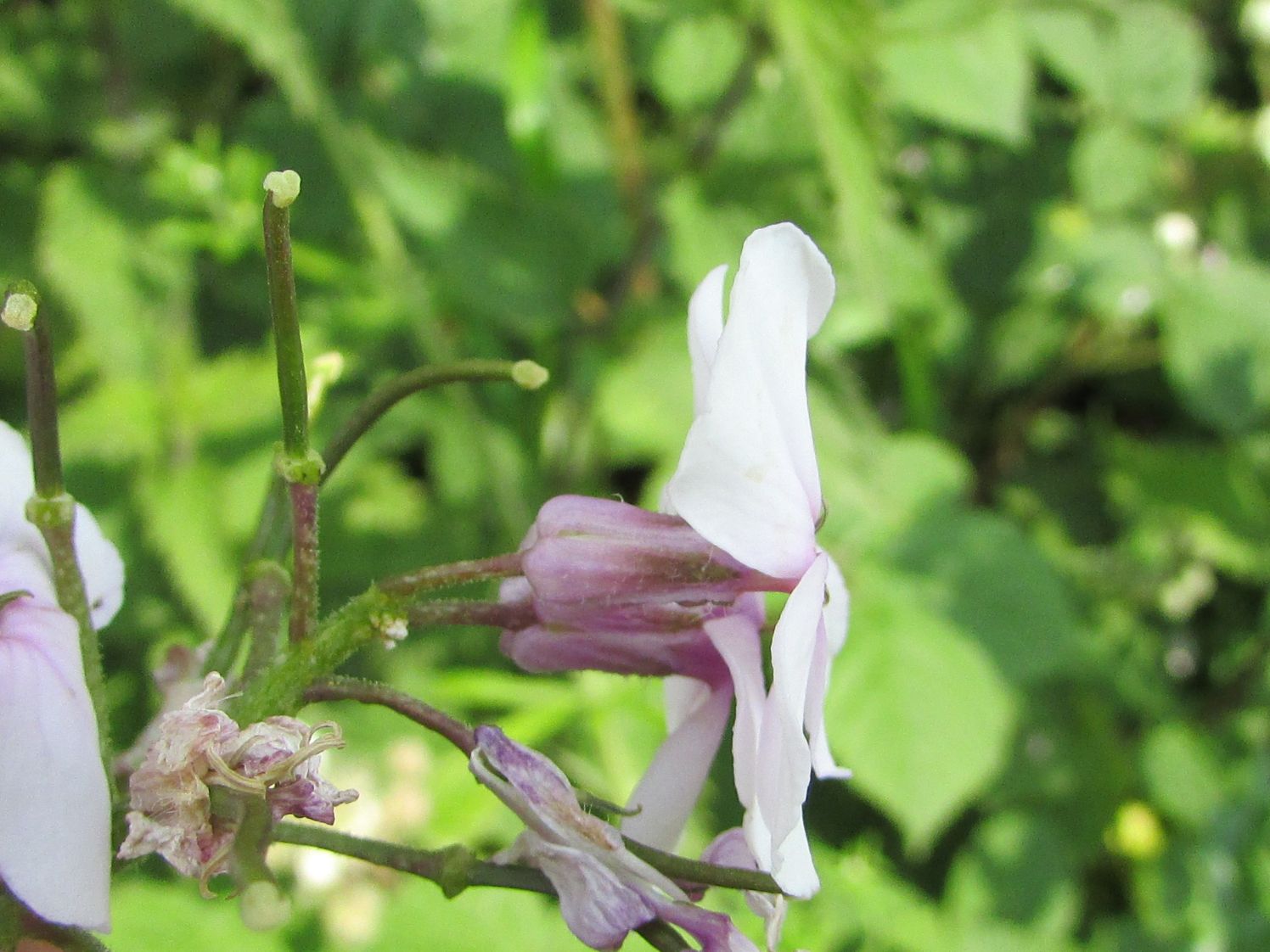
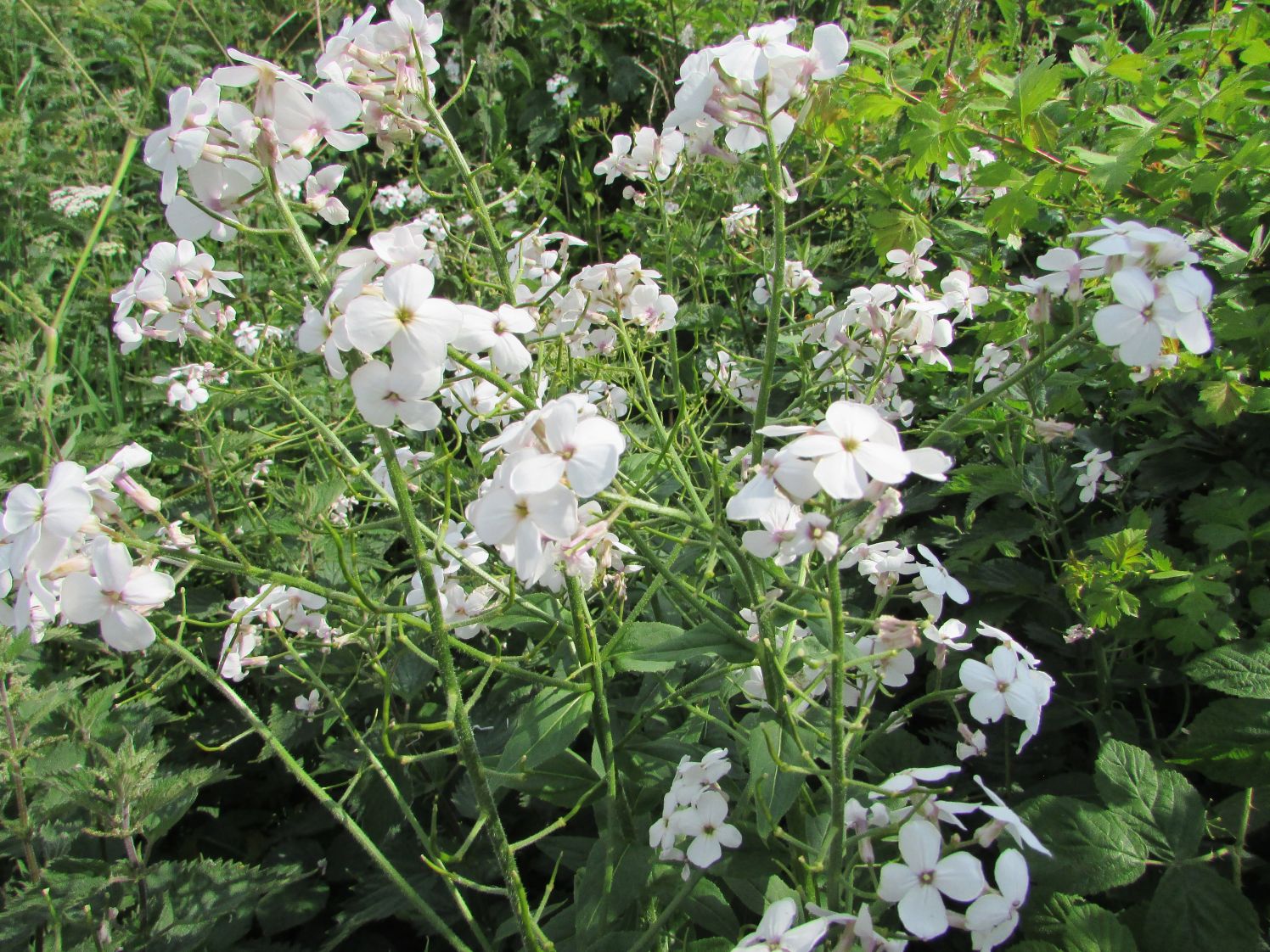
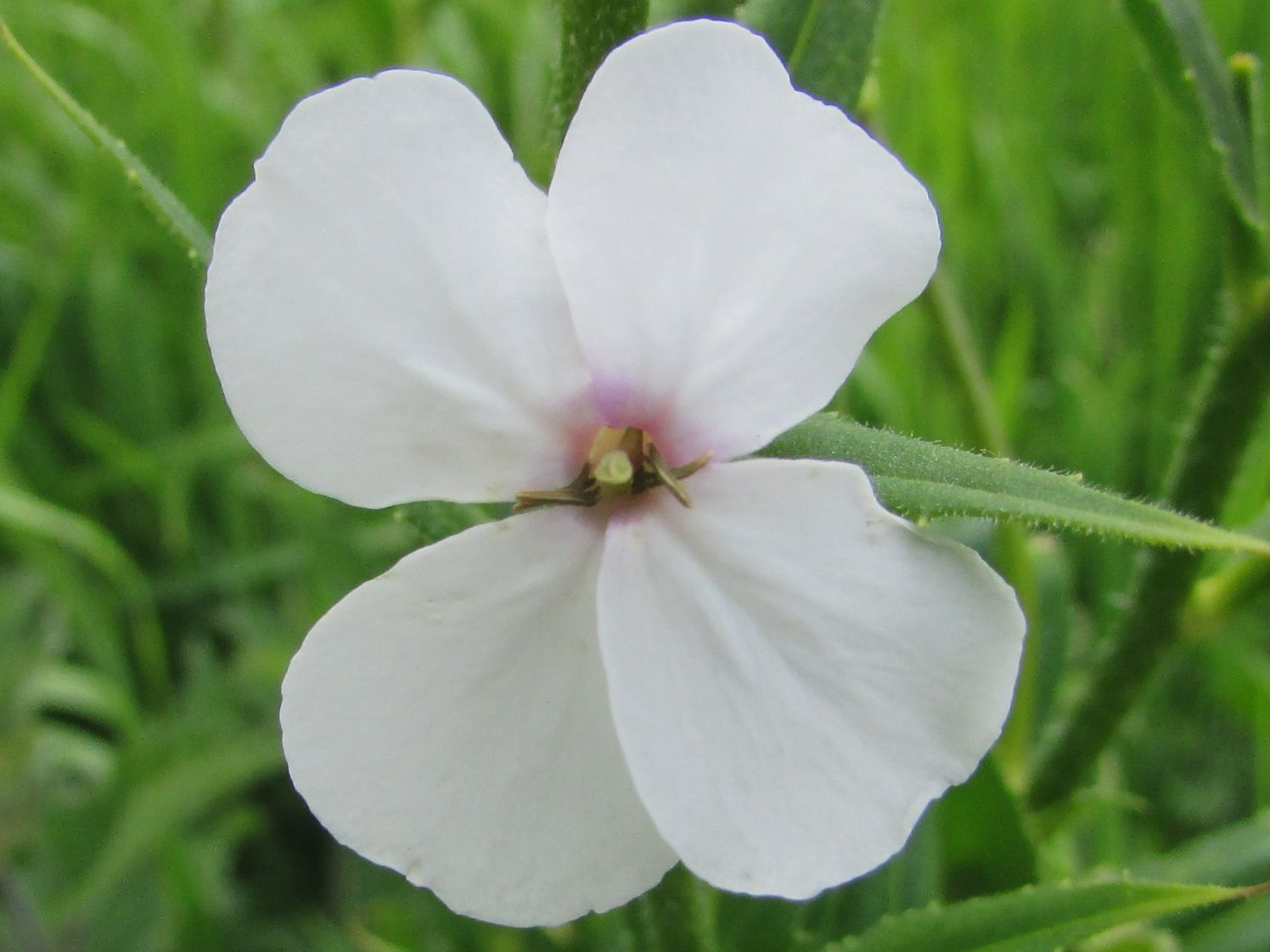
Typical Brassica flowers with four petals. The petals can be rounded, as in the image, or thinner and more oval shaped. Comes in white, lilac and purple varieties.
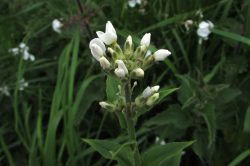
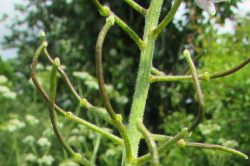
Seed Pods
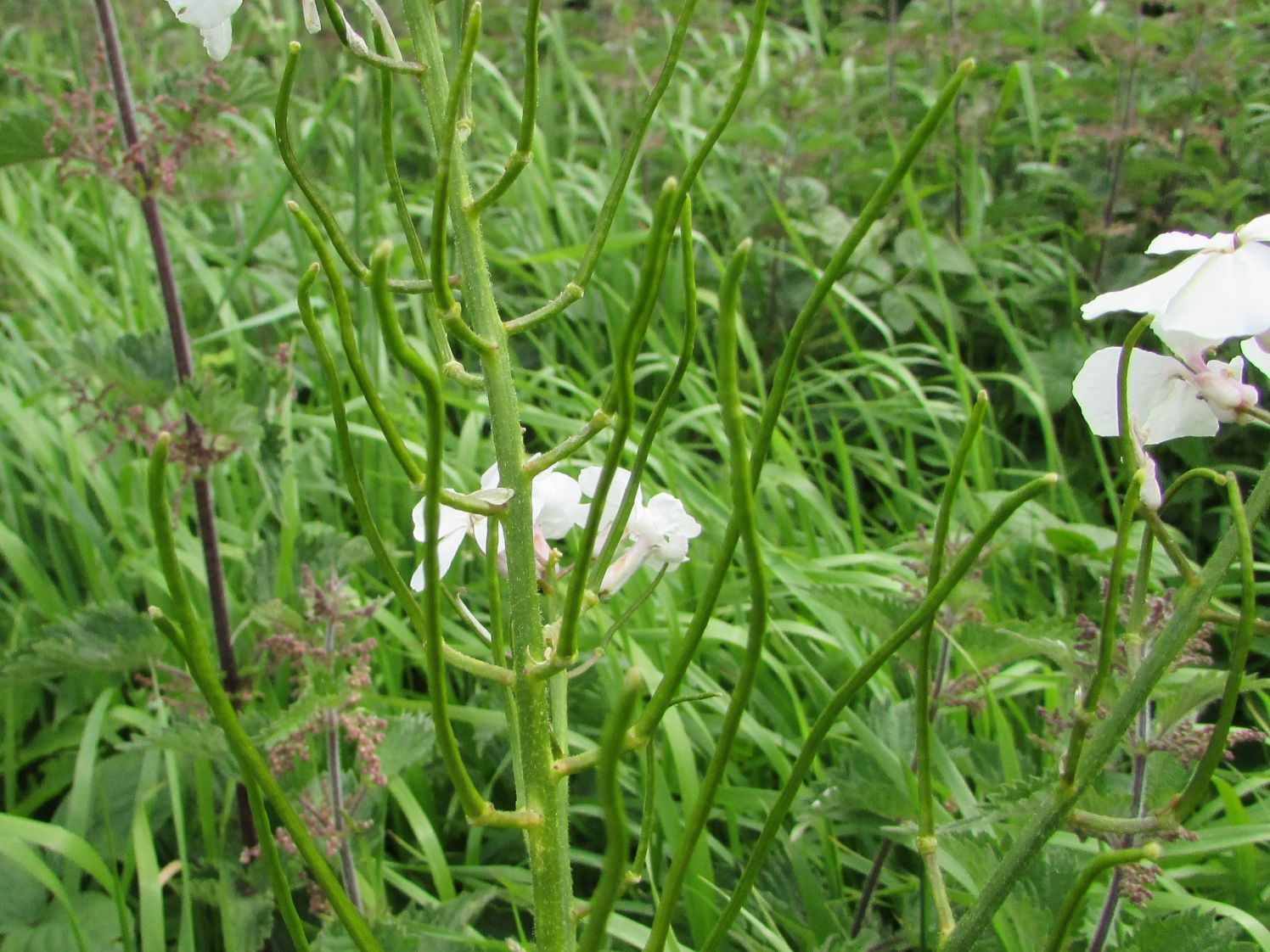
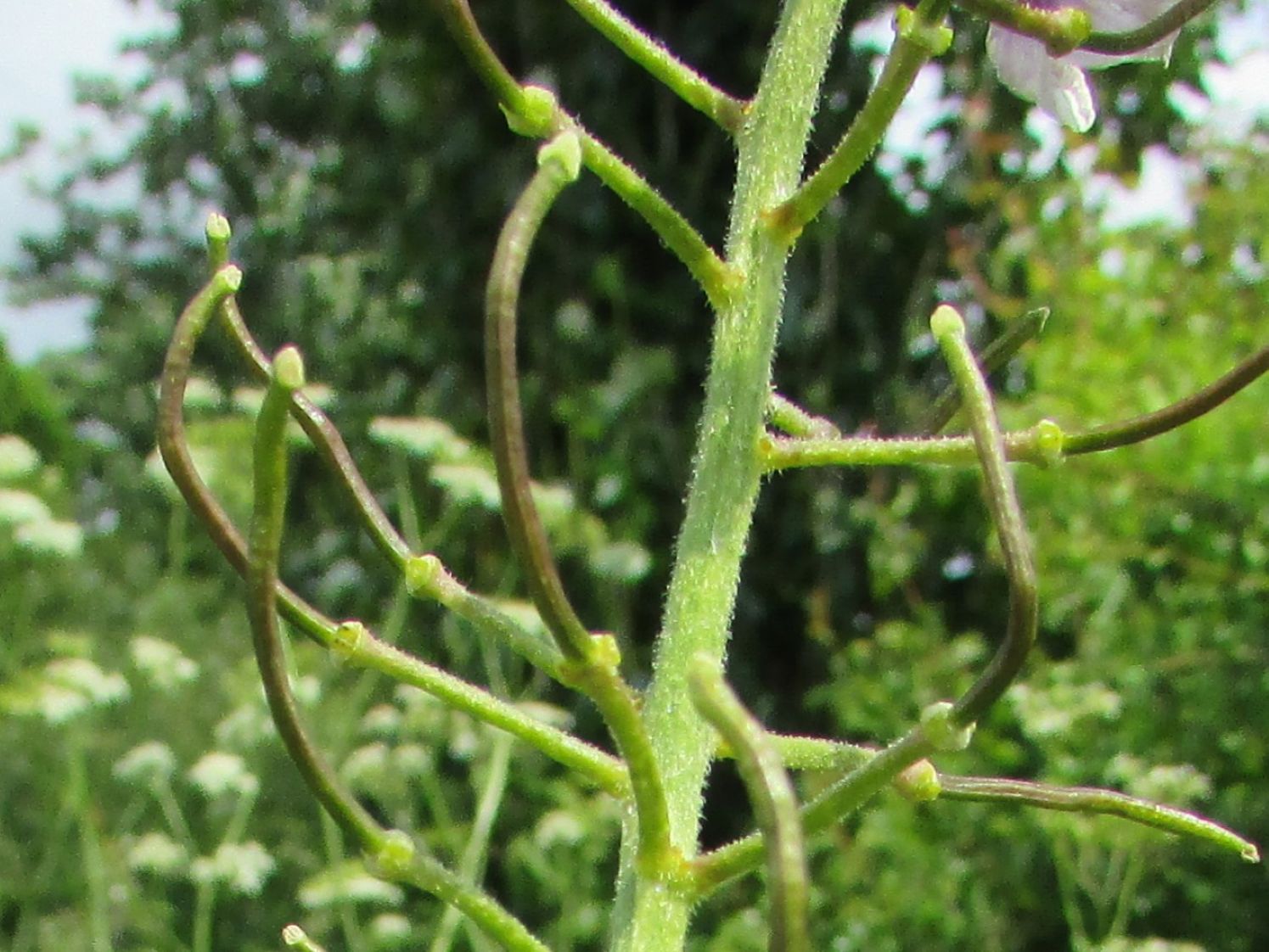
The long, thin seed pods start emerging from the flowers centre and start growing upright around the stem.
Habitat
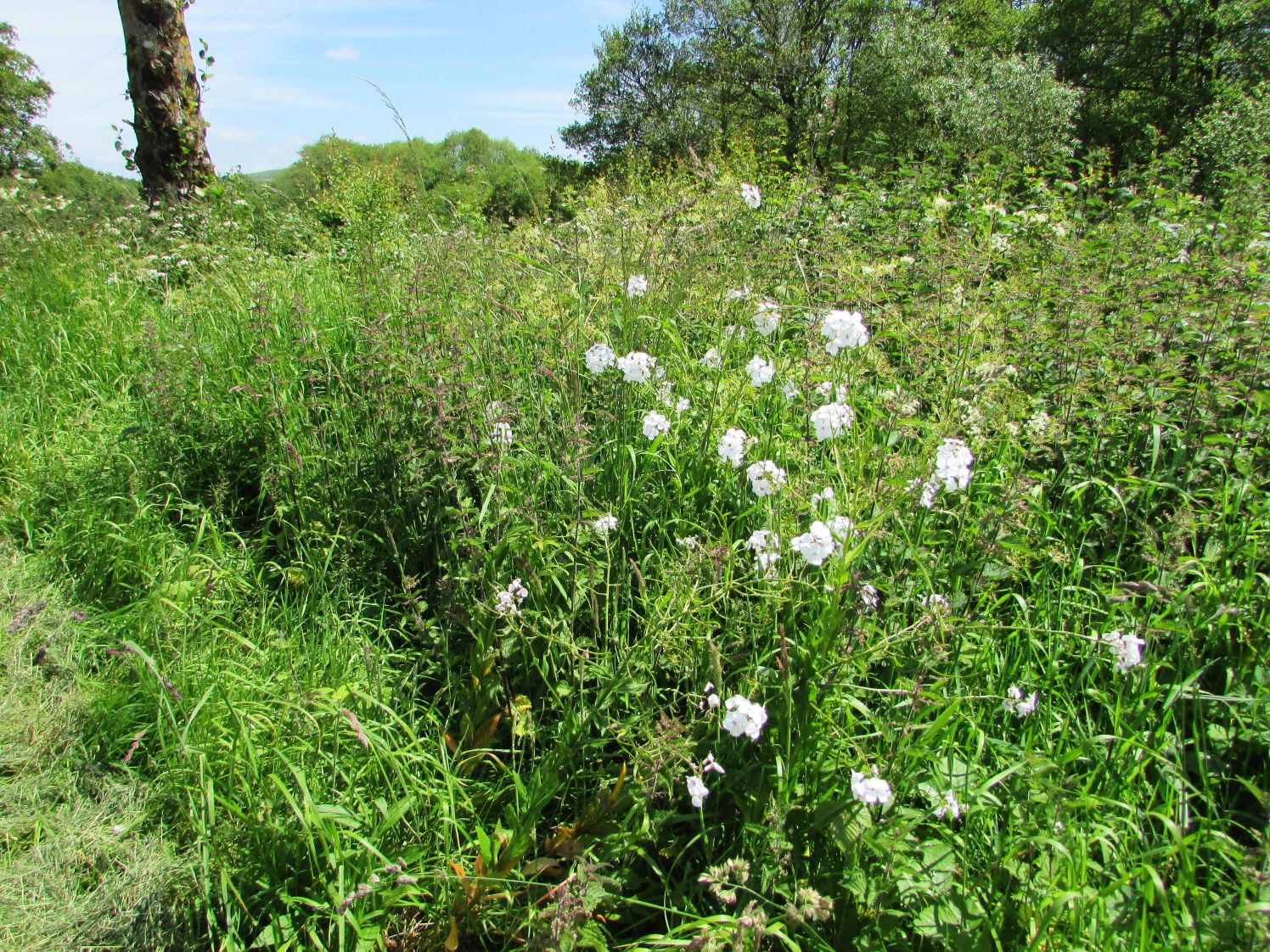
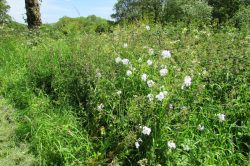
As it’s a garden escapee, it can be found in hedgerows, banks and grass that is not cut in spring or summer.
Taste
The leaves are slightly bitter, the flowers a bit spicey and the seeds are mustard like.
Frequency
Not common in the wild but widespread when found.
Other Facts
Lady’s Rocket is not native to the UK but came from Southern Europe and Turkey.
Hesperis means ‘of the evening’ as the flowers give off more scent in the evening.
Matronalis means older married woman, hence it’s common name.