

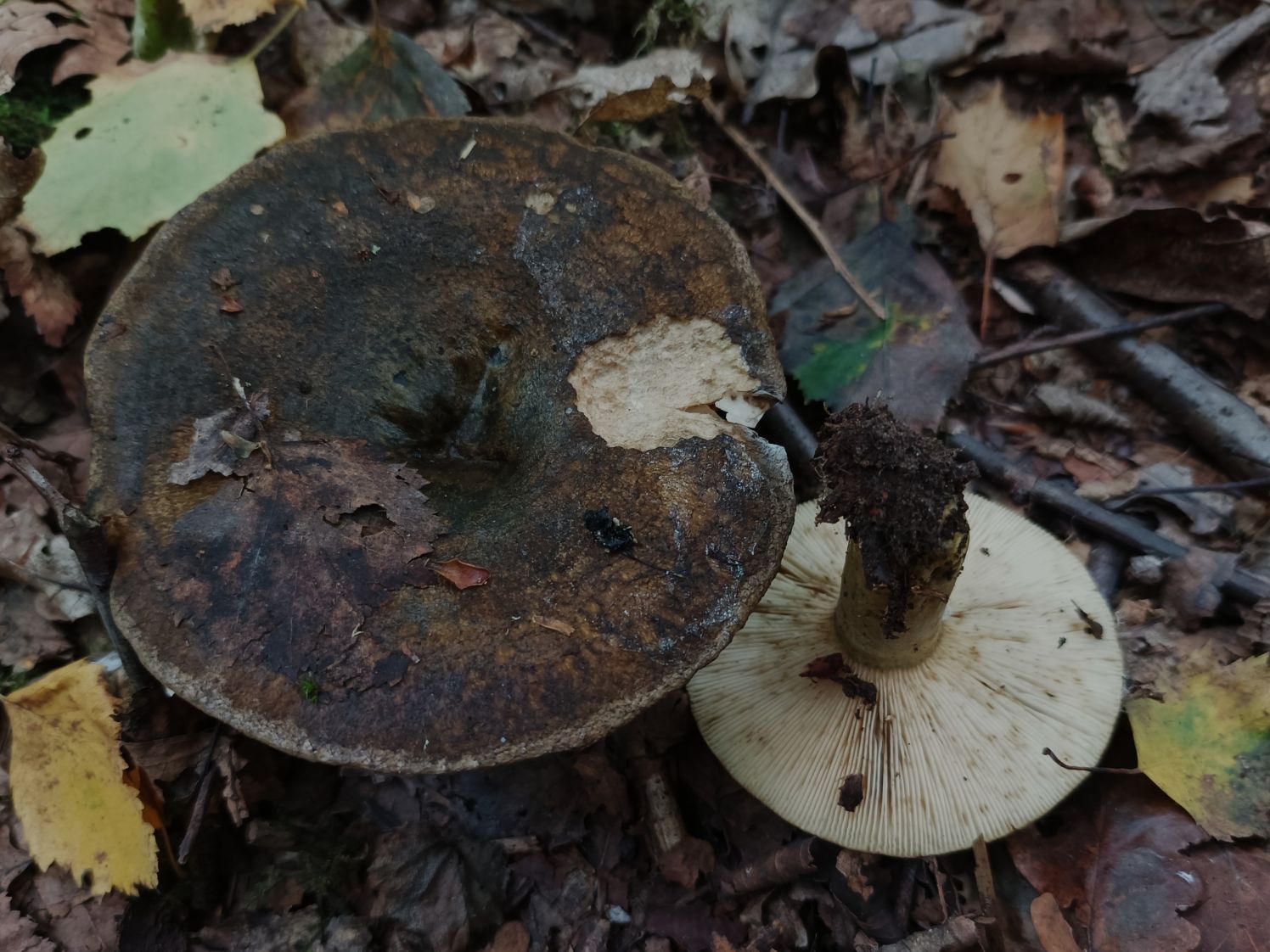
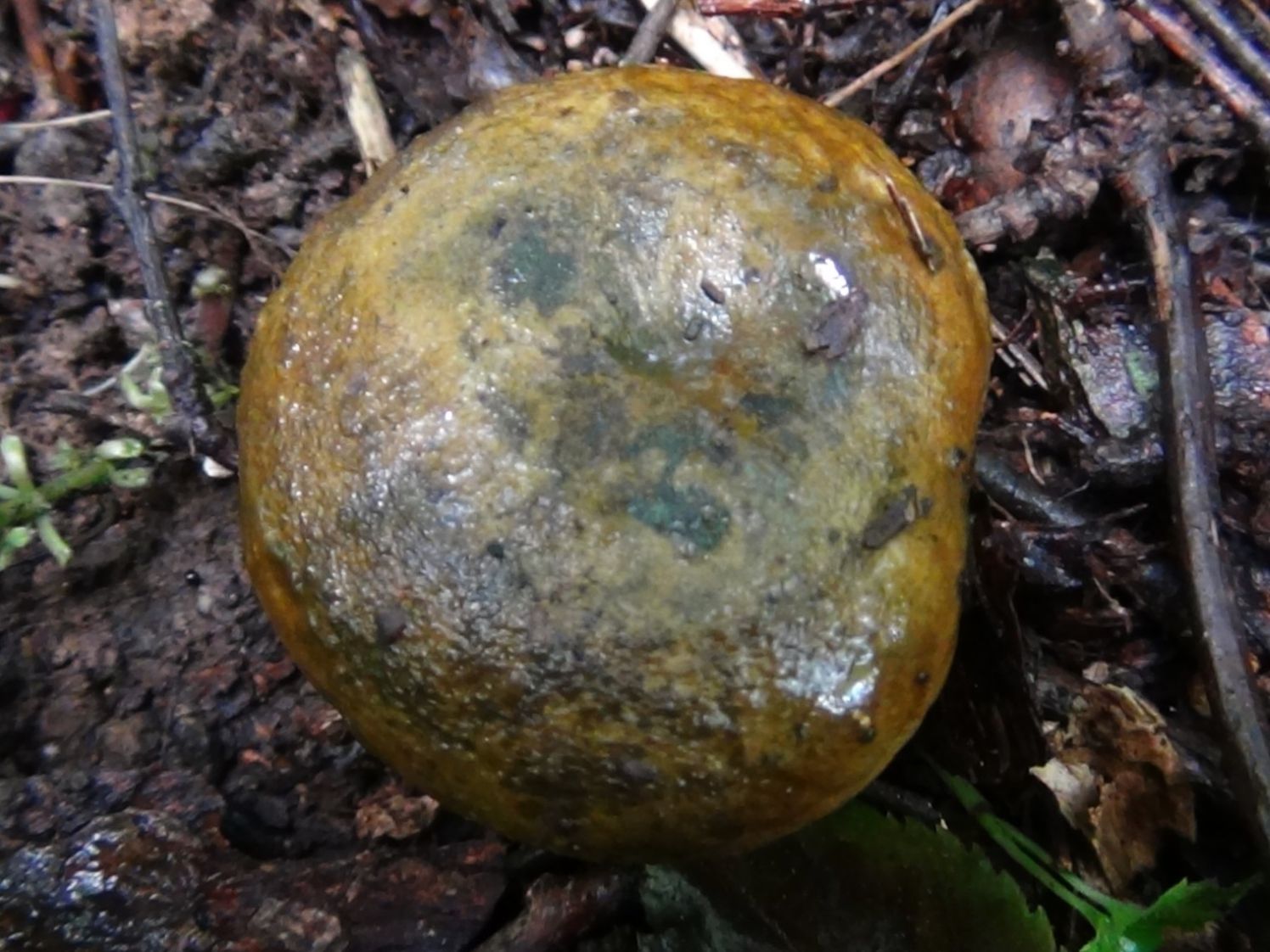


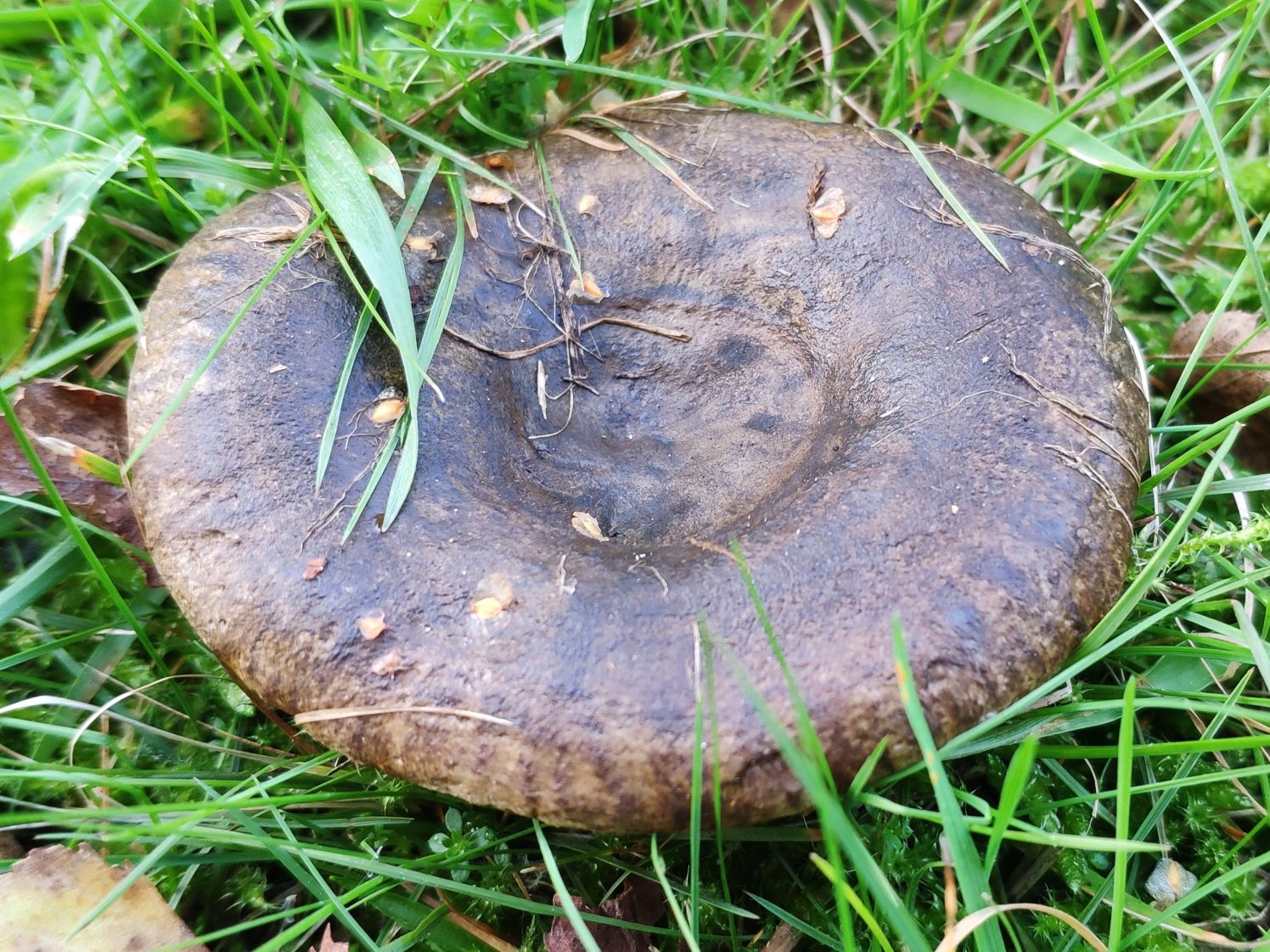

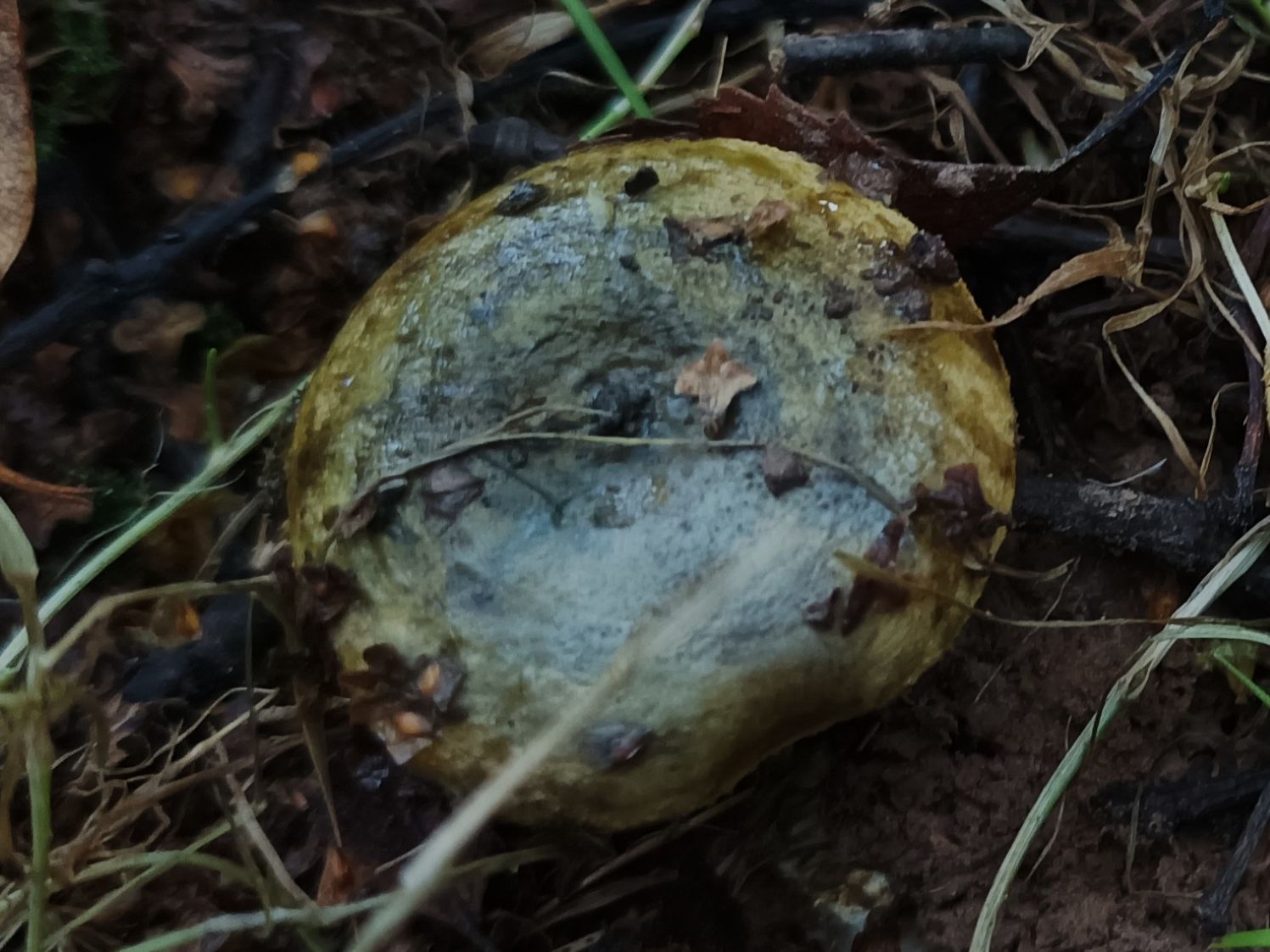
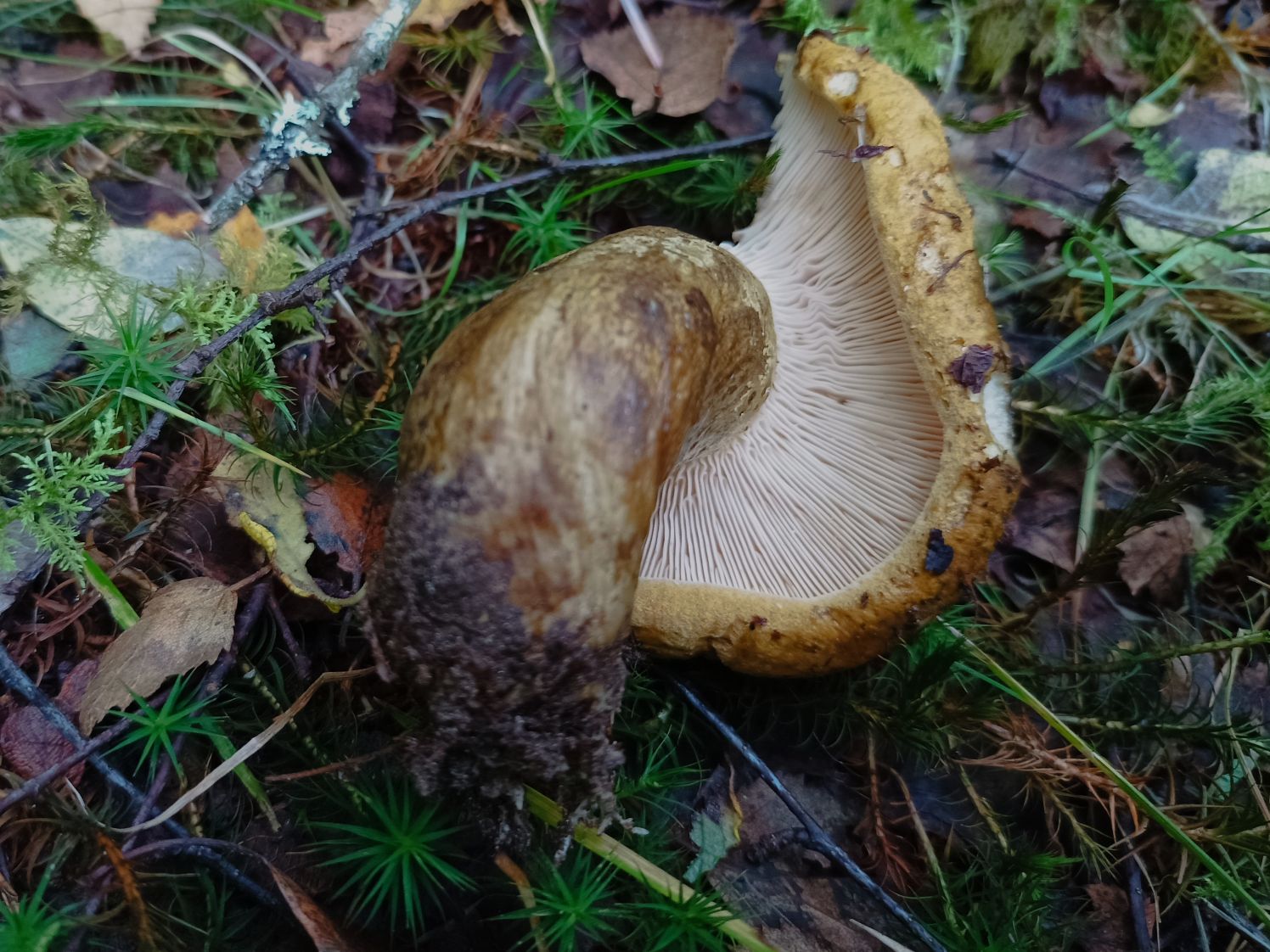

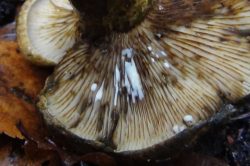
Opposite to its common English name, it is a rather unique looking, let’s say beautiful Milkcap with various shades of olive on its cap. It is only for the eyes, not for the kitchen, as it has unpleasantly acrid taste.
Home / Mushroom Guide /
Ugly Milkcap

Ugly Milkcap


| Mushroom Type | |
| Common Names |
Cap Llaeth Hyll (CY), Mleczaj Oliwkowobrązowo (PL), Sötét Tejelőgomba (HU) |
| Scientific Name |
Lactarius necator |
| Synonyms |
Lactarius turpis, Lactarius plumbeus |
| Season Start |
Aug |
| Season End |
Nov |
| Average Mushroom height (CM) |
4–6 |
| Average Cap width (CM) |
5–14 |

Please note that each and every mushroom you come across may vary in appearance to these photos.
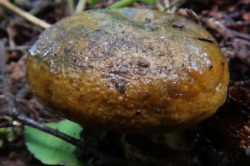
Cap
5–14 cm across. Convex at first with inrolled margin, then flattened and slightly depressed at the centre of the cap. The skin is yellowish olive, olive green, olive brown to deep olive, almost greenish black when old. Slightly viscid or sticky, sometimes even slimy when wet, matt when dry. Its margin can be velutinous.
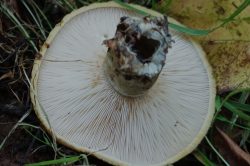
Stem
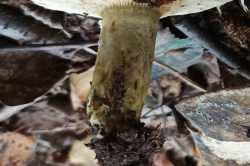
4–6 cm tall, 1–2.5 wide. More or less cylindrical, but its base is often tapered. Usually concolorous with the cap or slightly paler. Smooth to slightly wrinkled, sticky when wet, irregularly pitted with darker olive spots.
Flesh
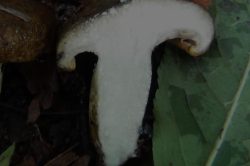
Thick, firm, brittle, hollow in the stem. Whitish, becoming brownish once exposed to air. Changing to violet-purple in KOH or Ammonia.

Habitat
Grows mostly in small groups, preferably on wet soil in parks, woodlands, cemeteries, alongside golf courses. Mycorrhizal with Birch (Betula) and Spruce (Picea).

Possible Confusion
It is hard to confuse with anything if you are familiar with trees, as all the potential lookalikes have different mycorrhizal partners.
The Beech Milkcap (Lactarius blennius), pictured, has an olive-grey, sticky (when wet) skin and also produces copious amounts of latex, but it is mycorrhizal with Beech.
The Nimbus Milkcap (Lactarius fluens) looks rather similar than Beech Milkcap, growing on the same habitat as (also mycorrhizal with Beech), but it has pale cap margin, its stem is white, and its latex is not as hot as Beech the Milkcap’s.
Taste / Smell
Inedible. Taste very acrid and unpleasant, smell not distinctive.
Frequency
Very common and widespread all around the British Isles, except the Channel Islands and the Isle of Man.
Spores
Spores pale cream, broadly ellipsoid, covered with a network of prominent ridges and less prominent warts.
Other Facts
In March 2025 the IUCN (International Union for Conservation of Nature) added 1000 fungal species to the IUCN Red List of Threatened Species. The IUCN (Global) Conservation Status of the Ugly Milkcap (Lactarius necator/turpis) is: LC – Least Concern, with stable population. For more information, see on the following link.
The 2nd part of the (synonym) Scientific name, ‘turpis‘ in Latin means ugly, hence its common English name.






Leave a Reply